

In 2026, buying kratom online is easier than ever and riskier than most people realize. The U.S. FDA continues to issue import alerts and public notices tied to adulteration and contamination concerns (FDA, ongoing updates through 2024), while multiple states and cities keep changing their rules year to year. At the same time, kratom demand remains strong: an estimated 1.7 million Americans reported kratom use in the past year based on national survey analysis (NIDA, 2021). If you want to buy kratom powder online with confidence, you need a simple, repeatable framework: verify legality, vet vendor quality signals, confirm lab tests, compare product types, and purchase in a way that protects your budget and your body.
This guide breaks down exactly how to do that plus what’s changed in 2026, how to spot low-quality competitors, and how to choose the right strain (including red maeng da kratom powder) for your goals.
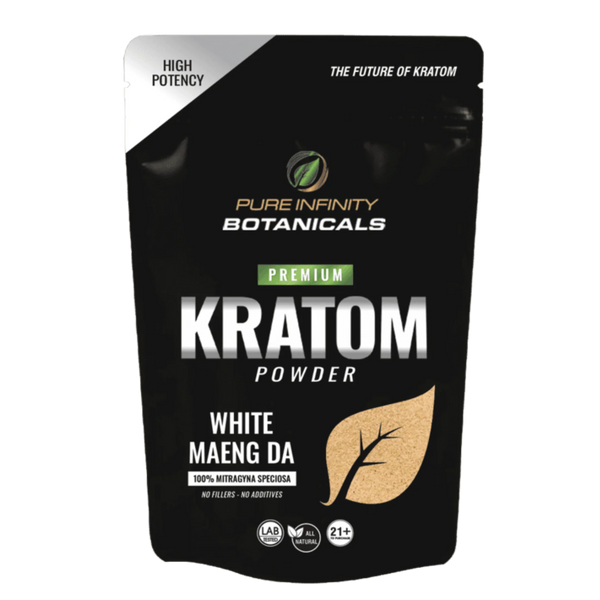
Why buying kratom powder online is different in 2026?
The online kratom market has matured yet the quality gap has widened. You now have two very different worlds: brands that treat kratom like a legitimate botanical ingredient (identity testing, contaminant screening, lot traceability), and sellers moving anonymous powder with minimal accountability.
Regulatory pressure is still shaping the market
The FDA has repeatedly warned consumers about kratom products due to contamination and adulteration risks and has supported import actions against certain kratom shipments (FDA, updates compiled through 2024). While kratom is not approved as a dietary supplement ingredient by the FDA, several states have moved toward consumer-protection style rules (like age limits and labeling) via Kratom Consumer Protection Acts (KCPA) and similar bills.
Consumer expectations are higher (and the best brands act accordingly)
In 2026, shoppers increasingly expect recent third-party lab reports, and transparent sourcing. This trend aligns with broader supplement category behavior: most U.S. adults use dietary supplements and increasingly look for quality verification (CDC/NCHS, 2017–2018). Kratom buyers are following that same trust-first buying pattern especially as more people use botanicals for lifestyle goals like energy, mood balance, and relaxation.
Quality checklist: what to look for before you click “buy”
Most problems happen because buyers shop by strain name alone. In reality, the quality of the powder and the vendor’s controls matter more than marketing labels.
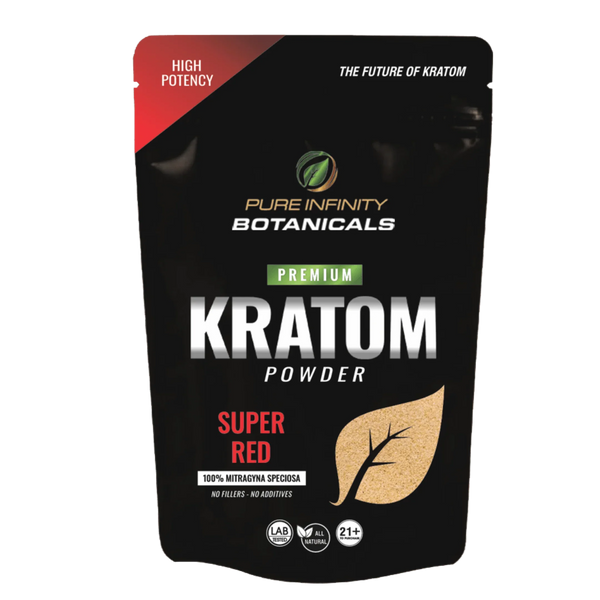
“Green flags” vs “red flags” when evaluating vendors
|
Evaluation area |
Green flag (trustworthy) |
Red flag (avoid) |
What you should do |
|---|---|---|---|
|
Lab reports (COAs) |
COAs posted per batch/lot with dates + full panels |
Generic COA, no lot match, or none available |
Only buy when you can match your bag’s lot to the COA |
|
Claims & marketing |
Wellness/lifestyle positioning; no disease claims |
“Treats anxiety/pain,” “cures,” “opioid replacement” language |
Choose brands that respect compliance and consumer safety |
|
Pricing |
Transparent pricing; sensible bulk discounts |
Too-cheap “fire sale” pricing with no explanation |
Compare value per gram after verifying quality |
|
Customer support |
Real contact methods, fast responses, clear returns |
No address, vague support, confusing policies |
Test support with a question before ordering |
Practical rule: If a vendor can’t show you a batch-matched COA, you’re not buying kratom—you’re buying a gamble.
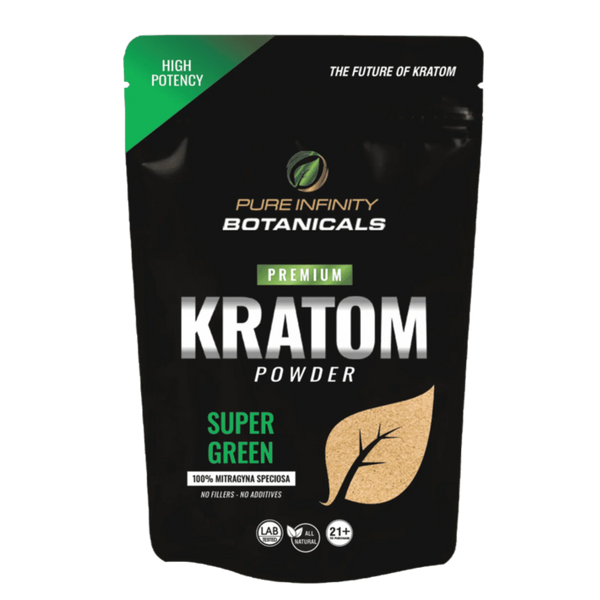
Choosing the right kratom powder: strains, colors, and what “Maeng Da” really means
“Strain names” are often used as shorthand for expected effects, but they aren’t standardized like pharmaceuticals. In 2026, the most reliable approach is: use strain names as a starting point, then validate with kratom data and your own response.
Red maeng da kratom powder: why it’s so popular
Red maeng da kratom powderis commonly chosen for evening routines and relaxation-oriented goals. Its popularity is driven by consumer reports and vendor positioning more than strict botanical taxonomy. If you’re considering it, prioritize:
Plain powder vs botanical extract powder (important)
Extracts can be useful for experienced users who want smaller serving sizes or stronger effects, but they raise the stakes. A botanical extract powder should clearly disclose:
Safety note: Research shows 7-hydroxymitragynine is substantially more potent at opioid receptors than mitragynine in preclinical models (Kruegel & Grundmann, 2018). That’s one reason extract products should be approached with extra caution and clear labeling.
Pricing, shipping, and value: how to get the best deal without buying junk
Most buyers either overpay for branding or underpay and get questionable powder. The smart move is to calculate value per gram only after verifying testing and traceability.
Pro tip: Don’t let “free shipping” override quality. A lab-tested vendor with slightly higher shipping is often a better value than an untested bargain.
What’s changing in 2026: trends, risks, and smarter buying standards
2026 is the year “trust infrastructure” becomes the real differentiator. Consumers are tired of mystery powder, and better brands are building systems that look more like mainstream supplements.
Trend 1: more public COAs and QR-driven transparency
Leading sellers increasingly use QR codes linking to batch COAs. This is partly driven by consumer expectations and partly by the need to defend against platform scrutiny (payment processors, marketplaces, and ad networks). If a vendor makes COAs hard to find, assume they’re not proud of them.
Trend 2: tighter payment and shipping policies
In 2026, some processors and carriers apply stricter rules to “high-risk” categories. This can lead to sudden checkout limitations or shipping exclusions by region. Reputable brands handle this transparently with clear notices and alternative payment methods without pushing you into sketchy peer-to-peer transactions.
Trend 3: extract proliferation (and more consumer confusion)
Extracts are everywhere because they’re profitable and easier to market as “strong.” But they also increase the risk of inconsistent experiences and overuse. If you’re looking for long-term balance, plain powder with consistent lab data is often the steadier option.
Trend 4: broader public-health discussion
Kratom remains debated in public health. For context, the U.S. continues to face opioid harms overdose deaths exceeded 100,000 per year in recent years (CDC, 2022–2023 provisional summaries). That environment keeps kratom in the spotlight, which can trigger abrupt policy proposals and enforcement bursts. For buyers, that means: stay current on local law and choose vendors who behave like they expect regulation.
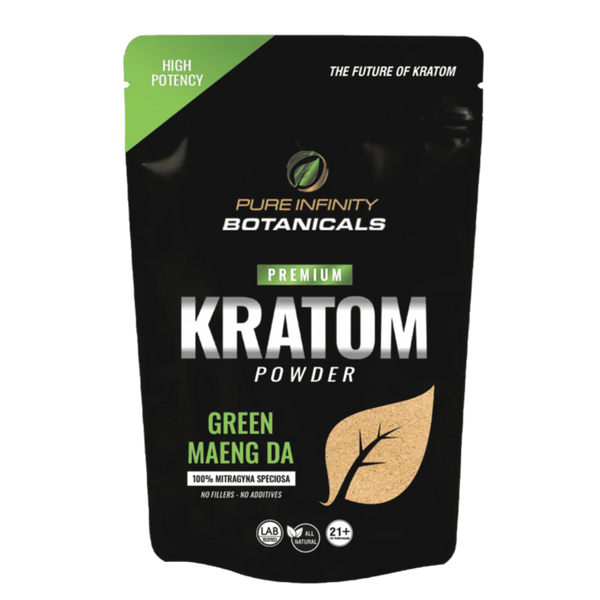
How to evaluate “kratom powder USA” claims and avoid imported mystery product
Many shoppers search “kratom powder USA” assuming it means the plant is grown in the U.S. In reality, most kratom is cultivated in Southeast Asia due to climate. “USA” often means packaged, tested, or distributed in the United States.
Conclusion
If you want consistent results and fewer bad surprises, don’t shop by hype shop by proof. In 2026, the best kratom experience comes from vendors who operate like grown-up supplement companies: transparent sourcing, batch testing, and honest labeling.
At Pure Infinity Botanicals, we believe kratom should be lab-tested, honestly labeled, and sourced with integrity because your wellness routine deserves better than mystery powder. If you want help choosing a product type, understanding a COA, or confirming shipping eligibility, contact us through our website support page and we’ll point you in the right direction.
Frequently Asked Questions
How can I buy kratom powder online safely in 2026?
Verify legality in your state/city, then choose a vendor that posts batch-matched third-party lab reports (COAs) with heavy metals and microbial testing. Start with a small quantity to evaluate consistency and your personal response. Avoid sellers making medical claims or refusing to share testing documentation.
What should a COA include when I buy kratom powder?
A strong COA includes the test date, lab identity, sample/lot number, and contaminant screening (heavy metals and microbials at minimum). The lot number on your bag should match the COA exactly. If it doesn’t match, treat the COA as irrelevant.
Is “kratom powder USA” actually grown in the United States?
Usually not most kratom is grown in Southeast Asia due to climate. “USA” typically means the product is packaged, tested, or distributed in the U.S. Focus on U.S.-based lab testing, lot traceability, and transparent sourcing rather than slogans.
Where can I find legitimate kratom powder for sale online?
Look for vendors that publish current COAs per batch, clearly label lots, and maintain clear shipping/returns policies. Avoid marketplace listings that don’t provide batch documentation. A legitimate seller will answer direct questions about testing and sourcing without dodging.
Is red maeng da kratom powder better than other types?
It depends on your goal and how your body responds “Maeng Da” is not a regulated standard. Many people choose red varieties for more relaxing routines, but quality and freshness matter more than the name. Compare batches by COA and start with a small trial size.
Should I buy botanical extract powder or plain kratom powder?
Most people do better starting with plain powder because it’s easier to measure and tends to be more consistent for routine use. Extract powders are concentrated and can be easier to overuse if you’re not careful. If you choose extracts, only buy standardized products with clear labeling and conservative guidance.
What are the biggest red flags when buying kratom online?
Major red flags include no COAs, generic COAs that don’t match the lot, unrealistic “cure” claims, and unusually cheap pricing with no transparency. Also be cautious of vendors who won’t provide a real business address or clear customer support. Trustworthy brands are upfront because they expect scrutiny.
How much kratom powder should I buy for a first order?
A good first order is typically 50–100g so you can assess freshness and your response without overcommitting. If you’re comparing types, buy two or three small bags rather than one large bulk bag. Scale up only after you’ve verified consistency across at least one lot.
Can I travel with kratom powder after buying online?
Rules vary by destination, and some jurisdictions restrict kratom even if your home state allows it. Keep the product in its original labeled packaging and consider traveling with a QR/COA link available. Always confirm legality before you fly or cross state lines.
Will kratom show up on a drug test?
Standard workplace panels often don’t include kratom, but specialized tests can detect kratoms. If testing is a concern, assume it’s possible and make conservative decisions. For high-stakes situations, consult your testing administrator or a qualified professional.


