

Not all “kava” sold online is actually worth drinking and first-time buyers are the most likely to overpay for weak, low-grade, or poorly labeled products. In 2026, kava is easier than ever to find, but quality varies wildly across “kava products for sale,” from noble root powders to extracts with confusing potency claims. That’s why knowing exactlywhat to look for before you buy kava products online matters more now than it did even a few years ago.
This guide breaks down what first-time buyers should know: which kava kava products are safest, how to read lab reports, how to spot “junk kava,” what typical pricing looks like, and how to pick the best format for your goals (relaxation, social ease, sleep support). You’ll also get a practical checklist, common mistakes to avoid, and 2026 trend updates shaping the online kava market.
Why buying kava online is different and why quality varies so much?
Kava (Piper methysticum) isn’t like buying coffee or tea. The effects depend heavily on cultivar (noble vs. non-noble), plant part used (root vs. aerial parts), storage conditions, and how it’s processed. Online marketplaces make it easy for sellers to use vague wording like “premium” without proving anything.
Here’s the reality: kava quality issues are well-documented in scientific and regulatory discussions. A major concern is products made from the wrong plant parts or non-traditional cultivars. Reviews of kava safety emphasize that traditional “noble” root-only preparations are materially different from products that include stems/peelings or use aggressive solvents (Teschke & Lebot, 2011; CFSAN/FDA consumer updates over time).
Why first-time buyers are most at risk?
Experienced kava drinkers can often detect “muddy,” harsh, or overly sedating effects that may signal poor chemotype selection or low-quality material. First-timers don’t have that reference point. That makes them easier targets for “strong” products that are actually cheap blends, inconsistent batches, or under-dosed capsules with flashy marketing.
Know the formats before you buy: powder vs. micronized vs. instant vs. extracts
When you buy kava products online, you’ll see multiple forms. The best choice depends on your goals, tolerance for prep time, and how sensitive you are to GI upset or sedation.
Traditional grind (root powder)
This is the classic: you knead the powder in water (often with a strainer bag). It’s the most “traditional” experience and often the best value per serving. The tradeoff is prep time and cleanup.
Micronized kava
Micronized is finely milled for easier mixing usually no kneading or straining. It’s convenient but can be heavier on digestion for some people because more solids are consumed. First-time buyers should start with smaller servings.
Instant kava
Instant typically dissolves more cleanly and is faster than traditional grind. It can cost more per serving, but consistency is often better when made by reputable suppliers.
Extracts, tinctures, and “shots”
Extract products range from responsible (clearly standardized, transparent solvents, dose guidance) to sketchy (proprietary blends, exaggerated potency). If you’re new, extracts can be harder to dose correctly and easier to overdo especially when “X:1” ratios are used without stating kavalactone content.
How to evaluate quality like a pro (lab tests, labeling, and sourcing)?
The #1 difference between premium kava and questionable kava is proof. Any brand can say “premium.” Only serious brands back it with documentation: sourcing transparency, batch testing, and clear product specs.
Check for “noble” and root-only language (and verify it)
Look for “noble,” “traditional cultivars,” or named cultivar/region references (e.g., Vanuatu/Fiji/Tonga) paired with root-only statements. Avoid vague labels like “kava blend,” “proprietary root mix,” or “whole plant.” If a brand won’t answer basic sourcing questions, that’s your sign.
Demand COAs (Certificates of Analysis) that actually help
A real COA should be batch-specific and recent, not a generic PDF from years ago. At minimum, look for:
Why this matters: U.S. supplement GMP frameworks emphasize identity and contamination control as core quality expectations (FDA dietary supplement cGMP, 21 CFR Part 111). While not kava-specific, it’s the baseline for any reputable botanical brand selling online.
Look for kavalactone disclosure (and realistic potency claims)
Some sellers list “30% kavalactones” or similar. That can be useful but only if you know what it means and the test method is credible. Be cautious of products claiming extreme potency without explaining serving size, extraction method, and standardization. In research settings, kavalactone dosing is often discussed in the range of ~60–280 mg/day depending on study design and extract standardization (Cochrane Review updates and clinical literature; e.g., Sarris et al., 2013; systematic reviews). If a “shot” claims massive effects without disclosing kavalactones per serving, treat it as marketing, not science.
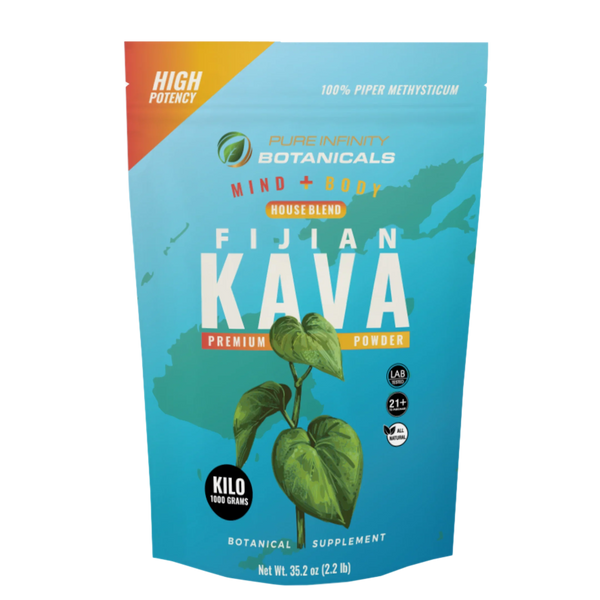
What the research actually says about kava benefits, safety, and who should avoid it?
Kava is most commonly used for relaxation, stress management, and social ease. Evidence is strongest around anxiety-related outcomes in certain controlled settings. A well-known systematic review found kava extract showed a statistically significant reduction in anxiety versus placebo in short-term trials (Cochrane Review: Pittler & Ernst, 2003; later reviews discuss mixed quality and heterogeneity).
Safety is where nuance matters. Kava has a history of traditional use, but modern product variability (cultivar, plant part, solvents, dose, and user behaviors) changes the risk profile. Reviews have highlighted that adverse liver-related reports were often associated with non-traditional preparations, poor-quality raw material, or co-factors (Teschke & Lebot, 2011). That’s exactly why first-time buyers should prioritize noble, root-only, lab-tested products and conservative dosing.
2026 market trends: what’s changing in online kava right now
In 2026, the kava market is being shaped by three forces: functional beverage growth, stricter platform policies, and consumer demand for testing transparency.
Trend 1: kava in “calm” beverages and alcohol alternatives
Non-alcoholic “mood” beverages continue to expand shelf space online and in specialty retail. Kava is increasingly paired with adaptogens (like ashwagandha) or amino acids (like L-theanine). The upside: better mainstream accessibility. The downside: multi-ingredient products make it harder to know what’s doing what—and harder to dose responsibly.
Trend 2: more labeling pressure and platform enforcement
Major marketplaces and payment processors have become stricter about “drug-like” claims. Brands that stay compliant focus on structure/function language (“supports relaxation”) rather than disease claims. This is good for consumers because it reduces the incentive for reckless “cure anxiety fast” marketing.
Trend 3: lab testing becomes a baseline expectation
Customers now routinely request COAs before purchasing. This mirrors broader supplement industry patterns: surveys have repeatedly found strong consumer preference for third-party verification and transparency in supplement purchasing decisions (Council for Responsible Nutrition consumer surveys, multiple years including 2023–2025 trendlines). In 2026, if a brand can’t show testing, it increasingly gets filtered out by informed buyers.
Comparison table
|
Format |
Best for |
Typical downsides |
First-timer tip |
|---|---|---|---|
|
Traditional root powder |
Best value, authentic experience, dose control |
Prep time, mess, learning curve |
Start small; use a strainer bag; track grams per serving |
|
Instant kava |
Convenience, consistent mixing |
Higher cost per serving |
Choose brands with batch COAs and clear serving sizes |
|
Micronized |
Quick prep without kneading |
Can feel heavier on digestion |
Begin with half a serving and increase slowly |
|
Extracts/tinctures/shots |
Portability, fast use |
Dosing confusion; potency exaggeration risk |
Only buy if kavalactones per serving are disclosed and tested |
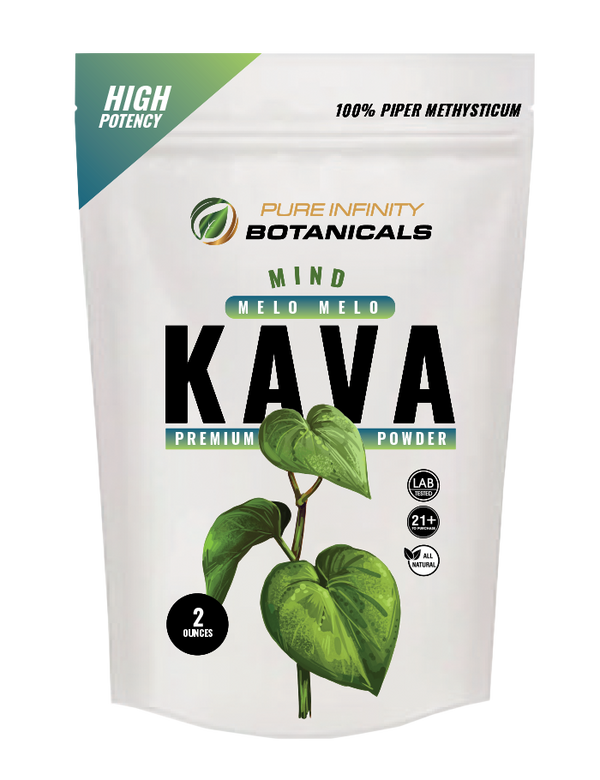
Common mistakes to avoid when you buy kava products online
If you want a smooth, predictable experience, avoid these first-time pitfalls. Most “kava disappointment stories” online trace back to a handful of fixable mistakes.
Mistake 1: buying based on star ratings alone
Reviews can be manipulated, and kava effects vary person-to-person. Instead, prioritize objective trust signals: batch COAs, clear sourcing, and root-only noble positioning.
Mistake 2: confusing “X:1 extract” with potency
“10:1” doesn’t tell you kavalactones per serving. A well-made product should disclose mg of kavalactones or a validated standardization metric. If it’s not stated, assume you’re buying hype.
Mistake 3: taking too much on day one
Some new users chase immediate effects and overshoot. Start low and increase gradually across a few sessions. Keep notes on grams, timing, and how you felt 30–90 minutes later.
Mistake 4: mixing with alcohol or sedatives
This is one of the most avoidable risks. If relaxation is the goal, don’t stack depressants—especially as a first-time user. Choose one pathway and keep it clean.
Mistake 5: ignoring freshness and storage
Kava isn’t “forever.” Keep it sealed, cool, dry, and away from sunlight. If it smells musty or tastes “off,” don’t force it replace it.
Conclusion
Buying kava online in 2026 is all about filtering signal from noise. The market is bigger, trendier, and more crowded so your best defense is a simple system: verify quality, choose the right format, and dose conservatively.
If you want a cleaner, more reliable way to buy kava products online, choose brands that are transparent about sourcing and uncompromising about lab testing. That’s the standard we push every day at Pure Infinity Botanicals.
Ready to shop smarter? Explore our lab-tested kava selection and reach out with questions before you buy.
Contact us If you want help choosing the right kava format for your goals, contact our team through our website contact form and we’ll guide you to a beginner-friendly option based on your lifestyle and experience level.
Frequently asked questions
What should I look for the first time I buy kava products online?
Prioritize noble, root-only kava with a recent, batch-specific COA showing basic safety testing (microbials, heavy metals). Choose a format that’s easy to dose (traditional powder or instant) and avoid products with vague “proprietary blend” labels.
How do I know if kava products for sale are legit or low-quality?
Legit sellers provide transparent sourcing details and lab documentation, not just marketing language. Low-quality sellers often avoid COAs, lean on “X:1 extract” claims without kavalactone disclosure, or use unclear plant-part labeling.
Is it safer to buy traditional kava root powder or kava extract?
For most first-timers, traditional noble root powder or instant kava is easier to dose and evaluate. Extracts can be safe if standardized and tested, but they’re easier to overdo and harder to compare across brands.
Can I take kava every day?
Some people use kava routinely, but daily use should be approached conservatively with attention to dose, product quality, and personal health factors. If you have liver concerns, take medications, or drink alcohol regularly, talk to a clinician before daily use.
Should I mix kava with alcohol?
No—especially as a first-time user. Mixing can amplify sedation and adds avoidable risk. If your goal is an alcohol alternative, use kava on its own and keep serving sizes conservative.
How long does kava take to kick in and how long does it last?
Many people feel effects within 30–60 minutes, depending on form, serving size, and whether you’ve eaten. Effects commonly last a few hours, and stronger servings may impact sleepiness or next-morning grogginess for some users.
Why do some kava kava products feel “too strong” or make me sleepy?
This can happen from over-serving, choosing a cultivar style that doesn’t match your goal, or using lower-quality blends. Start with smaller servings, try a different product type (e.g., “day” vs. “night” positioning), and avoid extracts until you understand your response.
What lab tests should a kava product have?
At minimum: identity, microbial screening, and heavy metals. Extracts should also include residual solvent testing. A batch-specific COA is a strong indicator the company takes quality control seriously.
Can I travel with kava I buy online?
It depends on local laws and airline rules, which vary by country and sometimes by state/region. Keep products in original packaging, avoid carrying large unmarked powders, and check destination regulations before traveling.
What’s the best kava format for beginners who want convenience?
Instant kava usually the easiest “mix and drink” option with predictable results when sourced responsibly. Micronized can also be convenient, but some beginners tolerate it less due to increased solids.


