

Kratom extract capsules are increasingly discussed within the broader category of plant-based wellness products. In this guide, the focus keyword kratom extract capsules is explored in detail to help readers understand what they are, how they differ from standard botanical capsule formulations, and what factors influence quality, consistency, and usage considerations.
This article is purely informational and intended to explain the concepts, processes, and distinctions in a neutral, educational way.
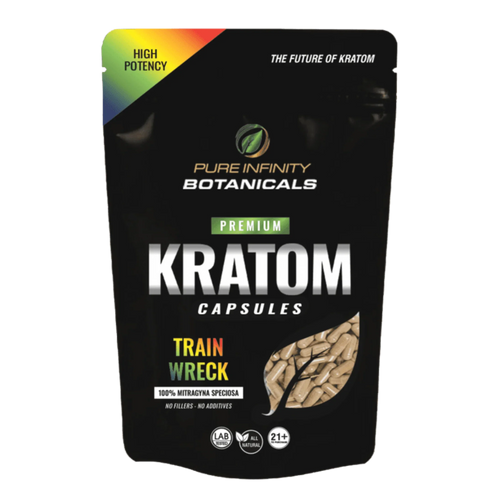
Introduction to Kratom Extract Capsules
Kratom extract capsules are concentrated formulations derived from the leaves of the Mitragyna speciosa plant, a tropical tree native to Southeast Asia. These capsules are designed to contain a more refined or concentrated form of plant compounds compared to standard dried leaf powders encapsulated in traditional botanical capsule formats.
In general, kratom products exist in multiple forms such as powders, teas, tinctures, and capsules. Among these, capsules are often preferred for their convenience and ease of dosage consistency.
The focus keyword kratom extract capsules refers specifically to capsules containing an extracted and concentrated form of kratom rather than simple powdered leaf material.
Understanding the differences between extract-based capsules and standard botanical capsules is essential for anyone researching plant-based supplements and their variations.
Understanding Kratom as a Botanical Source
Kratom comes from the leaves of the Mitragyna speciosa tree, which belongs to the coffee family. Traditionally, the leaves have been dried and used in various regional practices in Southeast Asia.
From a botanical perspective:
-
These compounds interact with biological systems in complex ways
-
Leaf composition can vary depending on region, soil, and harvest time
Because of this variability, manufacturers often process kratom into standardized forms such as capsules or extracts to create more consistent products.
What Are Kratom Extract Capsules
Kratom extract capsules are capsules that contain a concentrated form of kratom obtained through an extraction process.
Key characteristics:
-
Higher concentration than standard leaf powder
-
Often used in smaller capsule quantities
-
Requires extraction methods such as water-based or solvent-based processing
-
May provide more standardized composition depending on manufacturing method
These capsules are typically discussed in contexts where users compare potency, consistency, and formulation differences with standard botanical capsule products.
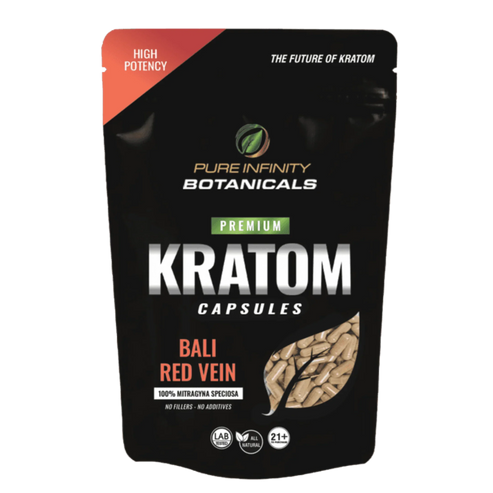
What Are Standard Botanical Capsules
Standard botanical capsule products generally contain finely ground plant material enclosed in a capsule shell. In the case of kratom, this means dried and powdered leaves without significant chemical or structural modification.
Characteristics of standard botanical capsules:
-
Contain whole leaf powder
-
Less concentrated than extract-based forms
-
Simpler processing method
-
More natural plant fiber content
-
Often considered closer to the raw plant form
While they may appear similar in packaging, their internal composition differs significantly from extract capsules.
Key Differences Between Kratom Extract Capsules and Botanical Capsules
The differences between kratom extract capsules and standard botanical capsules can be categorized into several areas such as processing, concentration, and consistency.
Comparison Table
|
Feature |
Kratom Extract Capsules |
Standard Botanical Capsules |
|
Source material |
Concentrated plant extract |
Dried leaf powder |
|
Processing level |
Advanced extraction methods |
Minimal processing |
|
Potency level |
Typically higher concentration |
Lower, natural leaf level |
|
Consistency |
More standardized in many cases |
Varies with leaf batch |
|
Composition |
Focused kratom content |
Full plant profile |
|
Dosage volume |
Smaller capsule count needed |
Larger quantity may be required |
|
Fiber content |
Reduced |
Higher due to whole leaf |
This comparison helps highlight why users researching kratom capsules online often encounter both forms and need to understand their distinctions.
Extraction Process Explained
The extraction process used in creating kratom extract capsules involves isolating active plant compounds from raw leaf material.
General steps include:
1. Selection of raw plant material
Leaves are selected based on maturity, drying method, and origin.
2. Grinding and preparation
The leaves are ground into a fine powder to increase surface area.
3. Extraction phase
Different methods may be used, such as:
-
Water-based extraction
-
Alcohol-based extraction
-
Multi-stage concentration processes
4. Filtration and refinement
Plant fibers and impurities are filtered out, leaving a concentrated solution.
5. Drying and encapsulation
The final extract is dried into a powder or resin and placed into capsules.
This process is what differentiates kratom extract capsules from standard botanical formulations.
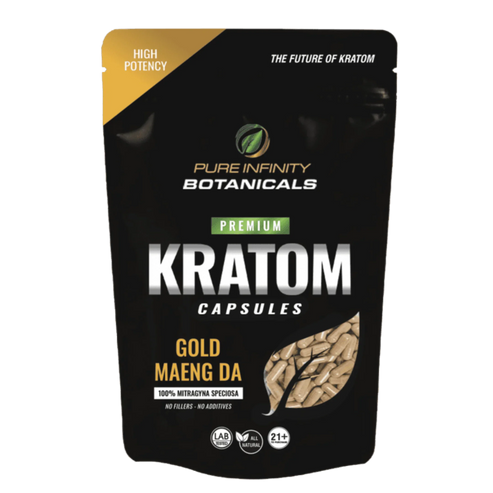
Potency and Composition Differences
One of the most discussed differences between extract capsules and standard capsules is potency.
Key points:
-
Botanical capsules maintain full plant structure
-
Extracts may require smaller serving sizes
-
Botanical capsules often offer more gradual effects
It is important to note that potency is not inherently “better” or “worse,” but rather different in formulation and intended use patterns.
Search interest around terms like premium kratom capsules for pain often reflects curiosity about concentration differences, though actual effects vary widely and are influenced by multiple individual factors.
Common Uses Discussed in General Context
In general discussions, kratom capsules are often categorized based on intended use scenarios rather than medical claims.
Common contexts include:
-
Botanical supplementation routines
-
Plant-based wellness exploration
-
Preference for capsule convenience over powders
-
Interest in standardized plant extracts
Users searching for organic kratom capsules or kratom capsules for sale are typically exploring product formats rather than specific outcomes.
It is important to approach such products with an understanding of variability in composition and regulatory differences across regions.
Safety and Responsible Usage Considerations
When discussing kratom-based products, safety considerations are important due to variability in product quality and individual response.
General considerations include:
-
Product purity and lab testing
-
Accurate labeling of concentration
-
Avoiding unverified sources when purchasing kratom capsules online
-
Awareness of regional regulatory guidelines
-
Starting with minimal exposure when exploring any botanical product
Because kratom affects individuals differently, responsible use and informed decision-making are essential.
How to Evaluate Quality in Kratom Capsules
Quality assessment is one of the most important aspects of selecting botanical capsules.
1. Source transparency
Reliable products usually provide clear sourcing information.
2. Lab testing
Third-party testing helps confirm purity and composition.
3. Consistency
Uniform capsule fill and labeling indicate controlled manufacturing.
4. Ingredient simplicity
High-quality capsules typically contain minimal additives.
5. Packaging standards
Proper sealing and storage instructions help maintain stability.
Search terms like organic kratom capsules often reflect interest in cleaner and more transparent sourcing practices.
Label Reading and Ingredient Transparency
Understanding product labels is essential when comparing kratom extract capsules with standard botanical capsules.
What to look for:
-
Plant part used (leaf vs extract)
-
Capsule size and dosage information
-
Additives or fillers
-
Manufacturing or batch information
Clear labeling helps users differentiate between extract-based and standard botanical formulations.
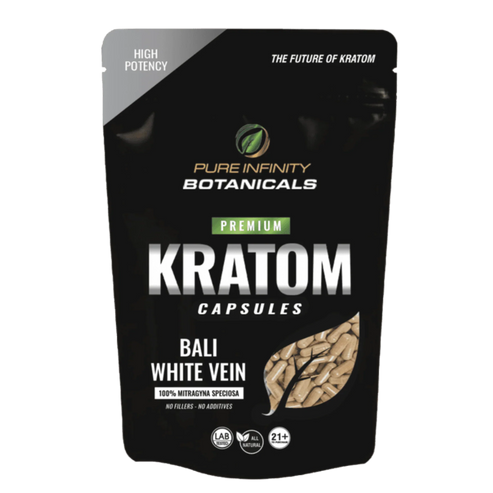
Legal and Regulatory Overview (General)
The legal status of kratom varies significantly by country and region. In some areas it is permitted, while in others it is regulated or restricted.
Key points:
-
Regulations differ globally
-
Some regions classify kratom as a controlled substance
-
Others allow sale under specific guidelines
-
Laws may change over time
Anyone researching kratom capsules for sale should review local regulations before considering availability or use.
Common Misconceptions About Kratom Extract Capsules
Several misconceptions exist due to incomplete or inconsistent information online.
Misconception 1: Extract capsules are always stronger in a predictable way
Reality: Potency depends on extraction method and standardization.
Misconception 2: All capsules are identical
Reality: Botanical capsules and extract capsules differ significantly.
Misconception 3: Natural means uniform
Reality: Natural plant material varies widely in composition.
Misconception 4: Capsules eliminate variability
Reality: Capsules improve consistency but do not remove all variation.
For readers looking to learn more, check out our detailed guide on Where Can I Buy Kratom Capsules Online Safely in 2026?
This resource provides additional general insights into safety considerations and selection factors when researching kratom capsules online.
Conclusion
Kratom extract capsules represent a concentrated form of botanical supplementation that differs significantly from standard botanical capsule formats. While both forms originate from the same plant source, their processing methods, composition, and consistency vary.
Understanding these differences helps readers make more informed decisions when exploring plant-based products, particularly when comparing extract-based and whole-leaf formulations.
As with any botanical category, quality, transparency, and regulatory awareness remain essential considerations.
For more informational resources and general product education, readers may refer to Pure Infinity Botanicals
Contact Us
For general inquiries or educational information, you can contact us.
Frequently Asked Questions (FAQ)
1. What are kratom extract capsules?
Kratom extract capsules are concentrated botanical capsules made from extracts of Mitragyna speciosa leaves. They contain a more refined form of plant compounds compared to standard powdered leaf capsules.
2. How are kratom extract capsules different from botanical capsule products?
A standard botanical capsule typically contains whole leaf powder, while kratom extract capsules contain concentrated plant extracts with reduced plant fiber.
3. Are kratom extract capsules stronger than regular kratom capsules?
They are often more concentrated, but “strength” varies depending on extraction method, product formulation, and batch quality.
4. What does a kratom capsule contain?
A capsule may contain either powdered kratom leaf or a processed extract, depending on whether it is a standard or extract-based product. The capsule shell is usually made of gelatin or plant-based material.
5. What are organic kratom capsules?
Organic kratom capsules generally refer to products made from kratom leaves grown without synthetic pesticides or chemical fertilizers. However, certification standards may differ by supplier and region.
6. Can I buy kratom capsules online?
Yes, kratom capsules online are widely available from various vendors, but product quality, testing, and regulatory compliance should be carefully evaluated before purchase.
7. What are kratom capsules for sale typically labeled with?
They are usually labeled with information such as strain type, capsule count, dosage strength (if applicable), and whether the product is extract-based or standard botanical.
8. How do kratom extract capsules differ in composition?
They contain concentrated kratoms extracted from the plant, whereas standard capsules include the full spectrum of plant material including fiber and natural plant compounds.
9. Are there different types of kratom extract capsules?
Yes, extract capsules may vary based on extraction method, concentration level, and formulation style used by manufacturers.
10. How should I evaluate quality when choosing kratom capsules?
Key factors include third-party lab testing, transparent labeling, sourcing information, capsule consistency, and absence of unnecessary additives.


