

Most kratom “quality problems” aren’t subtle they show up as inconsistent effects, unexpected side effects, or capsules that simply don’t match the label. In a market where online demand keeps climbing, buying kratom capsules for sale in 2026 is less about finding the cheapest bottle and more about verifying testing, sourcing, and consistencybefore you ever click “checkout.”
In this guide, you’ll learn how to buy kratom capsules the smart way: what third-party lab reports should include, how to spot supply-chain red flags, how to compare capsule formats, and what “organic” and “natural” really mean in practice. We’ll also cover 2026 trends shaping the category like tighter retailer requirements, more COA transparency, and increasing scrutiny around contaminants.
Why quality and consistency matter more in capsules than most people think
Kratom capsules look standardized, but what’s inside can vary drastically. Capsules can conceal grind quality, freshness, and even blend consistency issues you’d often notice faster with loose powder. That’s why your “same dose” can feel different from brand to brand (and sometimes bottle to bottle) when you’re shopping kratom capsules online.
Capsules can amplify both convenience and risk
Capsules are convenient for travel and routine dosing, but they can also hide problems like stale leaf, overly fine powder (faster oxidation), or inconsistent fill weights. If a brand doesn’t publish clear specs (mg per capsule, batch ID, and testing), you’re effectively guessing.
Contaminants are the real dealbreaker
From a safety standpoint, the biggest “quality” concern is contamination. The U.S. FDA has repeatedly flagged kratom products for contamination concerns, including Salmonella in some historical events and import alerts for certain suppliers (FDA, 2018–2023). While those events don’t represent the entire market, they show why third-party testing is non-negotiable especially for encapsulated products where you can’t visually inspect the material.
How to evaluate kratom capsules for sale like a pro
If you take one thing from this article, let it be this: don’t buy capsules without a recent, batch-specific COA (Certificate of Analysis). Not a generic “lab tested” badge, not an outdated PDF, and not a screenshot with no batch number.
What “good” looks like (and what’s a red flag)
A solid COA is easy to read, names the lab, and includes method details. Red flags include missing pages, no lab accreditation info, or COAs that repeat identical values across multiple batches (that’s often a sign the report isn’t truly batch-specific).
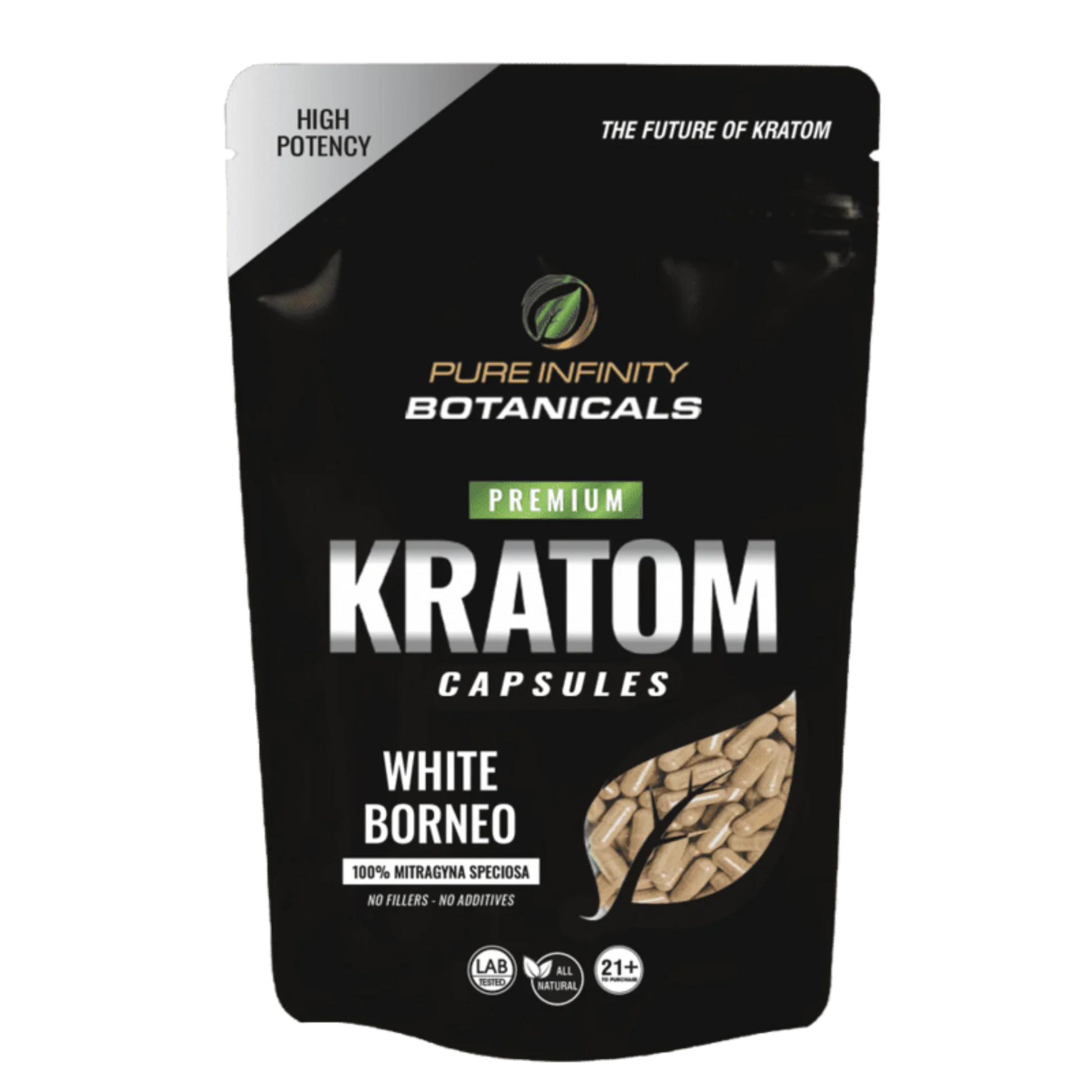
Industry benchmark: Many established kratom retailers align with the American Kratom Association’s Good Manufacturing Practices program (AKA GMP). The AKA’s GMP standards have been widely adopted as a baseline trust signal in the U.S. kratom retail market (American Kratom Association, 2020–2025). While certification isn’t the only marker of quality, it’s a strong filter when you’re deciding where to buy natural kratom capsules.
2026 market trends: what’s changing (and how it affects buyers)
In 2026, buyers are seeing two forces at the same time: more demand and more scrutiny. That combination is pushing reputable brands to become more transparent and pushing low-quality competitors to rely even harder on vague marketing.
Trend 1: COA transparency is becoming a purchase requirement
Retailers and marketplaces increasingly require documentation, and consumers now expect QR codes on bottles linking directly to batch results. This “scan-before-you-swag” behavior is becoming normal in botanical wellness, similar to what happened in CBD after 2019.
Trend 2: Stronger contaminant expectations
Public health agencies have kept attention on botanicals and supplements, and heavy metal concerns have become a bigger consumer topic across the entire supplement aisle. In the U.S., the FDA has long maintained that dietary supplements may be contaminated with heavy metals and that testing and quality systems matter (FDA, 2022). For kratom specifically, that means vendors who can’t show metals testing are increasingly being avoided by informed shoppers.
Trend 3: More “organic” claims without consistent proof
More brands are using phrases like “organic kratom capsules” or “farm-direct organic,” but organic labeling for kratom is not standardized across all sellers. If a company uses “organic” as a headline, look for what they actually mean: farming practices, contaminant limits, and third-party verification not just the word.
Comparing capsule options: which format fits your goals?
When people search for kratom capsules for sale, they’re usually trying to solve a lifestyle problem: convenience, discretion, routine, or taste avoidance. The best product is the one that matches your use-case and your tolerance for variables like onset time and capsule count.
|
Capsule type |
Best for |
Pros |
Watch-outs |
|---|---|---|---|
|
Standard powder capsules |
Everyday convenience, predictable dosing |
Easy to measure mg/capsule; portable; no taste |
Slower onset than powder; quality hidden without COA |
|
Extract capsules(when sold) |
Lower capsule count; experienced users seeking potency |
Fewer capsules; strong effects per serving |
Higher risk of overuse; harder to compare across brands; needs extra transparency |
|
“Botanical capsule” blends(kratom + other botanicals) |
People seeking a curated “energy” or “relaxation” stack |
Convenience; may align to lifestyle goals |
Harder to isolate what’s working; more allergen/interaction considerations |
|
Vegetarian capsules(HPMC) |
Dietary preference; some sensitive stomachs |
No gelatin; common in premium supplement lines |
Still requires the same testing; can be pricier |
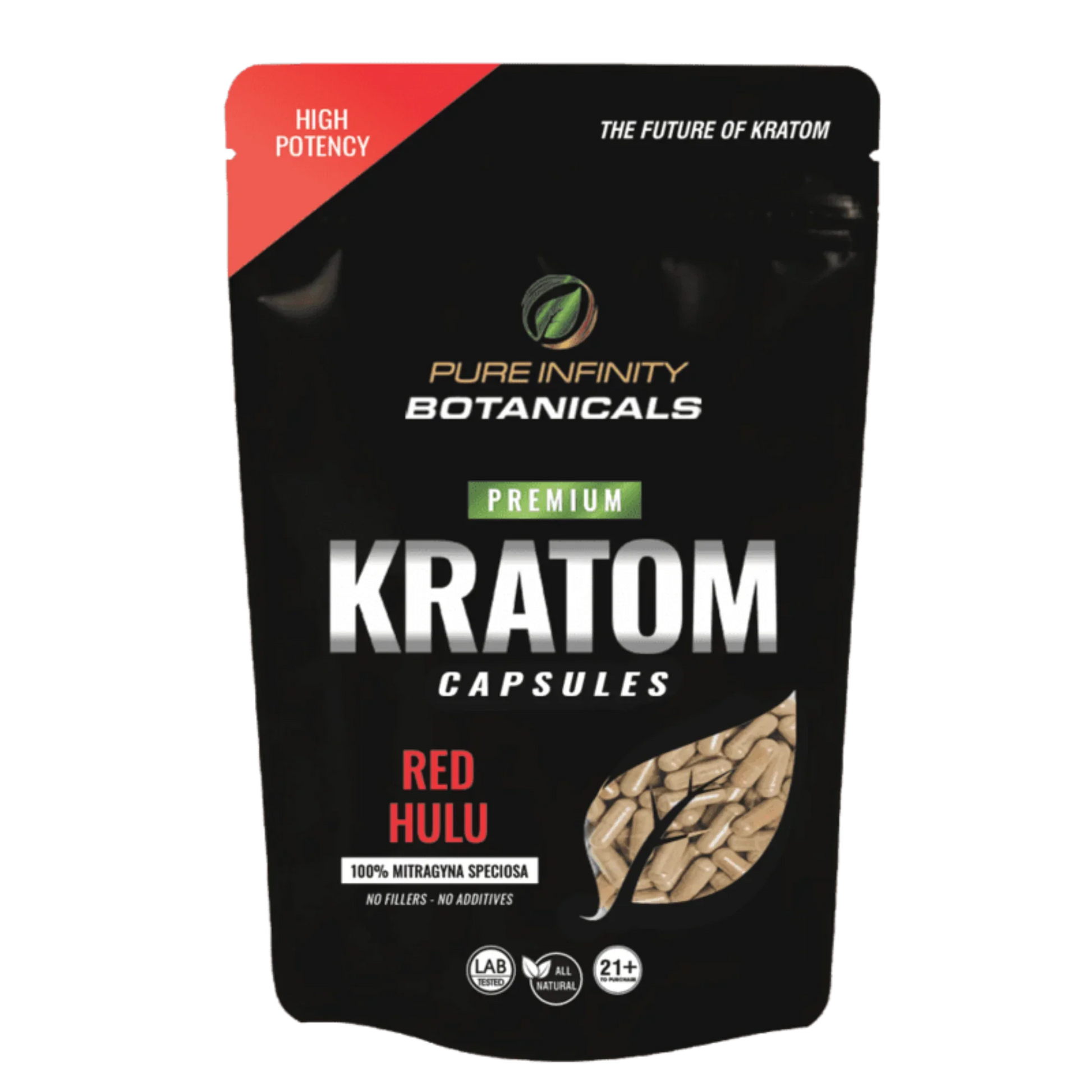
Practical takeaway: If you’re newer or optimizing for consistency, start with standard powder capsules from a brand that publishes batch COAs. If you’re considering extracts, prioritize sellers that disclose extract ratios and provide expanded testing.
Common mistakes to avoid (and what to do instead)
Most bad experiences come from predictable buying mistakes not from kratom “not working.” Avoid these traps and you’ll drastically improve your odds of finding consistent kratom capsules for sale that match your expectations.
Mistake 1: Buying based on strain names alone
Strain labels aren’t standardized across the industry. Two “Green Maeng Da” products can have very different active compound profiles. Do this instead: compare COAs, mitragynine content, and your own logged response.
Mistake 2: Trusting “lab tested” without seeing the lab report
“Lab tested” is a marketing phrase unless you can verify batch results. Do this instead: insist on QR-linked COAs with a lot number and recent date.
Mistake 3: Chasing the lowest price per capsule
Extreme low pricing often correlates with weak QC, old inventory, or missing testing. Do this instead: compare value based on tested quality (COA coverage), not just capsule count.
Mistake 4: Ignoring storage and freshness
Heat and humidity can degrade botanicals. Do this instead: buy from vendors with clear packaging standards (sealed, lot-coded) and store in a cool, dry place.
Mistake 5: Overlooking interactions and personal constraints
Kratom may interact with medications and may not be appropriate for everyone. The U.S. National Institute on Drug Abuse notes kratom is a subject of ongoing research and that it can have adverse effects and potential for dependence in some users (NIDA, 2023). Do this instead: consult a clinician if you take medications, and avoid mixing with alcohol or sedatives.
Quality signals that separate premium capsule brands from “capsule fillers”
Plenty of companies can encapsulate powder. Fewer can deliver consistent, clean, repeatable capsules across batches. Here’s what high-integrity brands typically do and what low-quality competitors avoid because it costs money.
Real-world example: how consistency shows up for customers
When a brand is consistent, customers report fewer “surprise” days less need to change capsule count from one bottle to the next. That’s usually a sign of tighter blending controls and better raw-material sorting. In contrast, if you constantly need to adjust your number of capsules to get the same effect, that’s often an indicator the product isn’t standardized or it’s not fresh.
“Organic” and “natural” kratom capsules: how to evaluate these claims
Searches for organic kratom capsules and natural kratom capsules continue to rise because people want cleaner inputs. That instinct is right but the label alone doesn’t guarantee safer kratom.
What “natural” should mean in practice
“Natural” should mean minimal processing, no adulterants, and transparent testing. If a company claims “natural,” but doesn’t provide microbials and metals testing, it’s marketing not a standard.
What to ask when a vendor claims “organic”
Data point: Heavy metals can enter botanicals through soil and water exposure; this is a known issue across supplements broadly, which is why USP and FDA guidance emphasize supplier qualification and contaminant controls (FDA, 2022; USP General Chapters updates ongoing through 2024). For kratom, the practical buyer move is simple: choose brands that test and disclose.
Pricing, value, and consistency: how to judge “worth it” in 2026
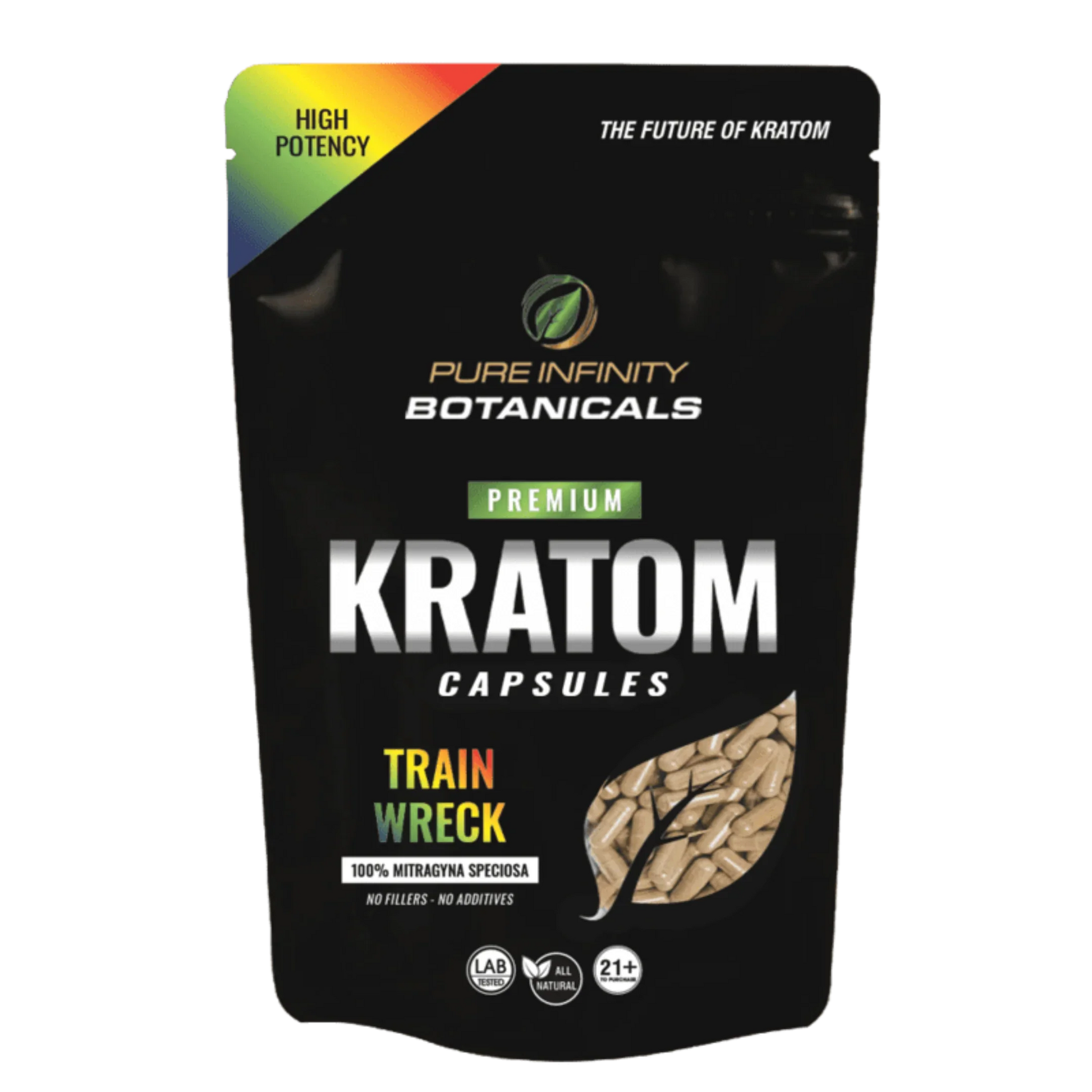
In 2026, pricing varies widely depending on testing, capsule material, and supply-chain integrity. A premium bottle often costs more because the brand is paying for batch testing, QA labor, and better packaging not just raw leaf.
A practical value framework (not just cheapest-per-capsule)
Pro tip: If you’re comparing two brands, choose the one with more complete testing even if it costs 10–25% more. Saving a few dollars isn’t worth gambling on contaminants or inconsistent potency.
Conclusion
If you want kratom capsules for sale that are worth your money, your routine, and your trust, the playbook is straightforward: verify testing, verify traceability, and don’t let branding replace evidence.
At Pure Infinity Botanicals, we’re unapologetic about one thing: quality you can prove. If you want help choosing a capsule format, understanding COAs, or finding the right botanical capsule routine for your lifestyle, reach out and we’ll point you in the right direction.
Contact us to get product questions answered quickly.
Frequently asked questions
What should I look for when buying kratom capsules for sale online?
Prioritize a batch-specific COA that includes microbials and heavy metals, plus a lot number that matches the bottle. Also verify mg per capsule, capsule material, and a real return/refund policy. Avoid sellers that only say “lab tested” without showing reports.
How do I know if a kratom capsule brand is consistent from batch to batch?
Consistency is best predicted by batch traceability (lot codes), standardized blending, and repeat COA availability. Keep a simple log of batch IDs and your results; patterns show up quickly. If each bottle feels wildly different at the same capsule count, that’s a warning sign.
Is it safer to buy kratom capsules online or in-store?
Either can be safe if the seller provides batch COAs and proper labeling. Online often offers better access to documentation (QR-linked COAs) and fresher inventory turnover, but only when you buy from transparent brands. In-store buys can be risky if products sit for long periods without clear lot tracking.
Are “organic kratom capsules” actually organic?
Sometimes, but the term is used inconsistently across the market. Ask for proof of what “organic” means (verification, farming practices) and still require contaminant testing. “Organic” is not a substitute for a heavy metals and microbial panel.
What’s the difference between kratom powder capsules and extract capsules?
Powder capsules contain milled leaf, usually with more predictable comparisons across brands when COAs are provided. Extract capsules are more concentrated and can reduce capsule count, but they require extra transparency about ratios and testing. If you’re new, powder capsules are typically easier to evaluate for consistency.
How many mg are usually in a kratom capsule?
Many brands commonly sell capsules in the 500–750 mg range, but it varies by capsule size and fill density. Always rely on the label’s mg per capsule and confirm the brand provides batch documentation. If mg per capsule isn’t clearly stated, skip it.
Can I travel with kratom capsules?
Rules vary by country and sometimes by local jurisdiction, so check laws before traveling. Keep capsules in the original, labeled container with the lot number visible. If you’re traveling internationally, verify legality at your destination and any layover locations.
Should I rotate different kratom capsule products?
Some adults choose to rotate products to avoid over-reliance on one routine, but there’s no universal rule. If you rotate, do it systematically one variable at a time and keep notes so you can spot what actually works best for your goals. Avoid mixing multiple new products at once.
What are the biggest red flags when I buy kratom capsules?
Big red flags include no batch COA, no lot code on the bottle, vague labeling, and pricing that seems unrealistically low. Also be cautious with brands that make medical claims or promise guaranteed outcomes. Trust companies that show testing, sourcing specifics, and clear customer support.
Can kratom interact with medications or alcohol?
Yes kratom may interact with certain medications, and mixing with alcohol or sedatives can increase risk. Research and public health sources note kratom can cause adverse effects and dependence in some individuals (NIDA, 2023). If you take prescription meds or have underlying conditions, consult a qualified clinician before use.


