

Organic kratom capsules aren’t just “a cleaner option”they’re becoming the default choice for wellness consumers who are tired of mystery powders, inconsistent potency, and questionable sourcing. In a market where U.S. kratom use is often estimated in the millions of consumers (American Kratom Association, 2023) and demand keeps shifting toward convenience and transparency, capsules solve two big pain points at once: precisionand trust. Meanwhile, broader supplement behavior is moving in the same direction roughly 75% of U.S. adults reported using dietary supplements(Council for Responsible Nutrition (CRN), 2023), and more buyers now expect lab verification as a baseline, not a bonus.
In this 2026-focused guide, you’ll learn why capsules are outpacing powder for many lifestyles, what “organic” really means in kratom (and what it doesn’t), how to evaluate brands when shopping kratom capsules online, and how to avoid the most common mistakes that lead to disappointing results.
What’s driving the shift to organic kratom capsules in 2026
Three forces are pushing capsules to the top: clean-label demand, standardization, and risk reduction. Wellness consumers have become far less tolerant of products that don’t clearly explain testing, origin, and handling especially in botanical categories where quality can vary drastically.
Clean-label expectations are now mainstream
Across supplements, buyers are prioritizing ingredients they perceive as “clean” and transparent. For example, consumer surveys consistently show label trust and quality assurances drive repeat purchase, and the overall supplement category continues to grow with consumers treating it as part of daily routines (CRN, 2023). In that environment, “organic” functions as a shortcut signal but only if it’s backed by real documentation.
Capsules solve the “I don’t want to measure powder” problem
Powder is easy to under-dose, over-dose, or dose inconsistently. Capsules provide a repeatable unit particularly important for people using kratom as part of a structured wellness plan (e.g., afternoon focus routine or evening wind-down). This is also why searches for kratom capsules onlineand buy natural kratom capsuleshave surged alongside broader “portable wellness” habits like travel packs, single-serve sachets, and pre-measured formats.
Safety and compliance conversations are louder in 2026
Regulatory scrutiny around kratom remains active, with ongoing discussions at state levels and continued attention on adulteration and contaminant risks. While the FDA has not approved kratom as a dietary supplement ingredient, consumers are still purchasing it so brands that implement third-party lab testing, contaminant screening, and transparent COAs are separating themselves from low-quality competitors.
What “organic” really means for kratom (and what it doesn’t)
Let’s be direct: “Organic” is one of the most abused words in botanicals. With kratom (Mitragyna speciosa), the plant is typically grown in Southeast Asia, and the way “organic” is used can range from meaningful to marketing fluff. As a buyer, your goal is to understand what you’re actually getting when you choose organic kratom capsules.
Organic can indicate cleaner cultivation practices but verify
In the best-case scenario, organic claims reflect cultivation without certain synthetic pesticides and with better soil stewardship. However, the presence of an “organic” claim on a label is not the same as a credible certification path. Depending on where and how kratom is grown and processed, certification can be complex. That’s why documentation matters more than buzzwords.
“Organic” does not automatically mean “safe”
Even if a leaf is grown with careful practices, it can still pick up contaminants during drying, milling, or storage. This is especially important because botanicals can accumulate heavy metalsfrom soil and can be exposed to microbial contamination during processing. This isn’t unique to kratom testing for contaminants is a known best practice across the entire supplement industry.
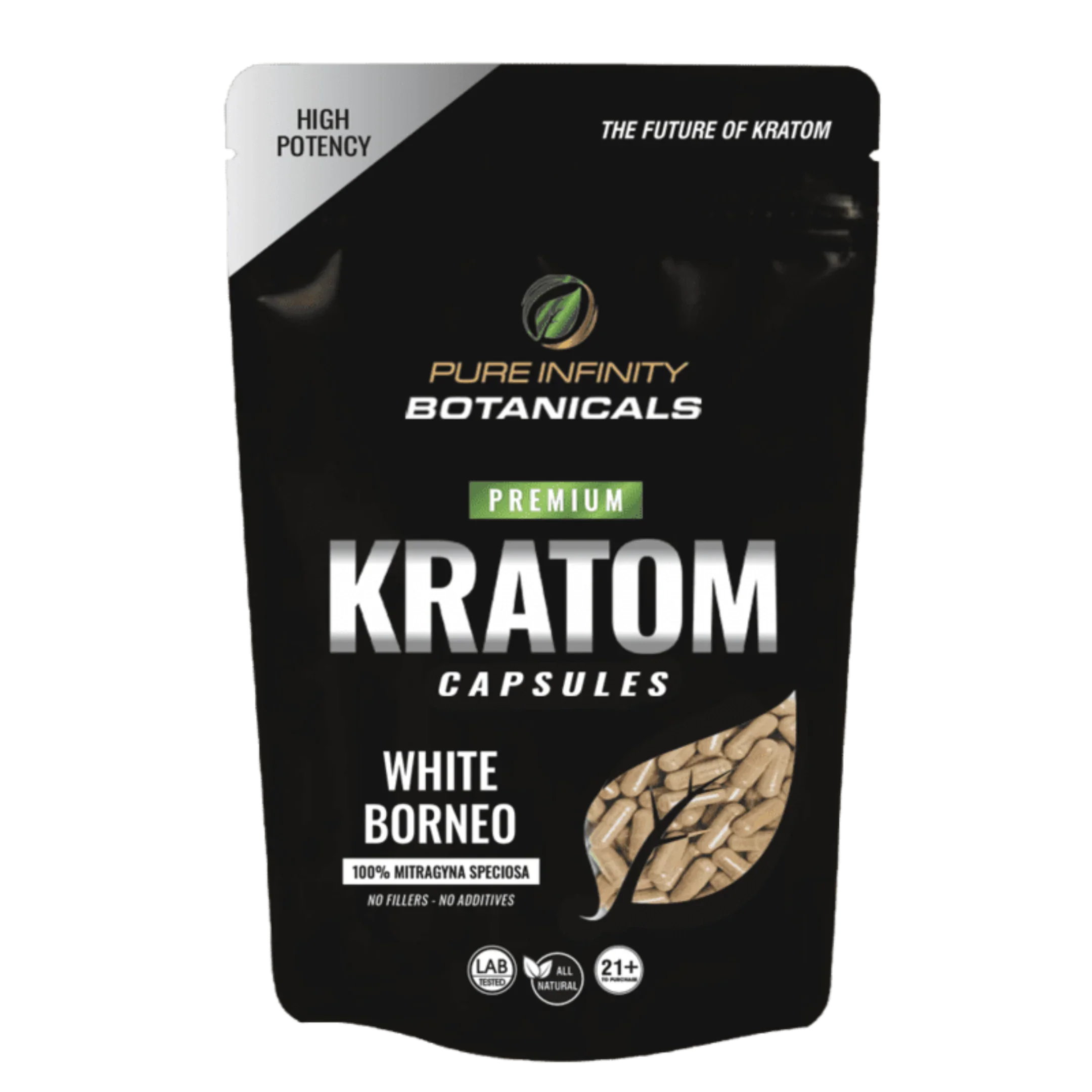
Why capsules win: precision, convenience, and lifestyle fit
Capsules aren’t “better” because they’re trendy they win because they reduce friction. Most people don’t quit wellness routines because they don’t work; they quit because they’re inconvenient. Capsules make consistency easier, and consistency is where many users feel the biggest difference over time.
Precision dosing (especially for new users)
New consumers often struggle to find a consistent serving size. A capsule format makes it easier to adjust gradually and track what works. While the science around kratom’s effects is still developing and varies by individual, behavioral consistency is one factor you can control.
Portability and discretion
For commuters, travelers, and busy professionals, capsules fit seamlessly into a supplement organizer. You can take them without mixing, flavor masking, or carrying bulky bags. This is a major reason kratom capsules for saleare frequently positioned as “on-the-go wellness.”
Better taste experience by removing taste from the equation
Many consumers simply dislike kratom’s bitter, earthy flavor. Capsules eliminate the taste barrier, which often improves adherence to a routine especially for people who want to use kratom alongside other botanicals like kava or blue lotus without turning their kitchen into a mixing station.
Quality factors that separate premium organic kratom capsules from cheap capsules
Not all capsules are created equal. In 2026, “premium” means verified not just “strong.” If you’re shopping for premium kratom capsules for pain(a common search intent), quality controls matter even more because consumers in this category tend to increase frequency and frequency amplifies any quality issue.
Data table: what to compare before you buy
|
Quality checkpoint |
What good looks like |
Red flags |
Why it matters |
|---|---|---|---|
|
COA transparency |
Batch-specific COA posted or provided on request |
Generic COA, no batch ID, or “in-house only” claims |
Verifies contaminant testing and reduces risk of adulteration |
|
Microbial & heavy metals |
Salmonella/E. coli + heavy metals panel included |
No contaminant data or vague “tested for purity” language |
Botanicals can carry microbes or accumulate metals from soil |
|
Manufacturing controls |
GMP-aligned facility processes and documented QC steps |
No mention of GMP, sanitation, or capsule weight checks |
Improves consistency, reduces batch-to-batch variability |
|
Sourcing clarity |
Region + handling steps disclosed (harvest, drying, milling, packaging) |
“Imported” with no details |
Traceability is a proxy for accountability |
|
Price realism |
Mid-market to premium pricing with testing support |
Suspiciously cheap “bulk capsules” with no documentation |
Real testing and QC cost money; ultra-cheap often cuts corners |
What research and surveillance trends imply for quality expectations
Independent testing and public health surveillance have repeatedly found quality problems in parts of the kratom marketplace. For instance, kratom products have been associated with contamination-related concerns in public reports, reinforcing why microbial screening and supply-chain controls are not optional (CDC, 2018; FDA public communications, ongoing). Separately, kratom-related exposure calls have been tracked in U.S. poison center data, showing that misuse, high doses, or product quality issues can drive adverse outcomes (e.g., National Poison Data System analyses, 2019–2023).
Practical takeaway: the brands that win in 2026 are the ones that treat quality like a system testing, traceability, and consistent manufacturing not a slogan.
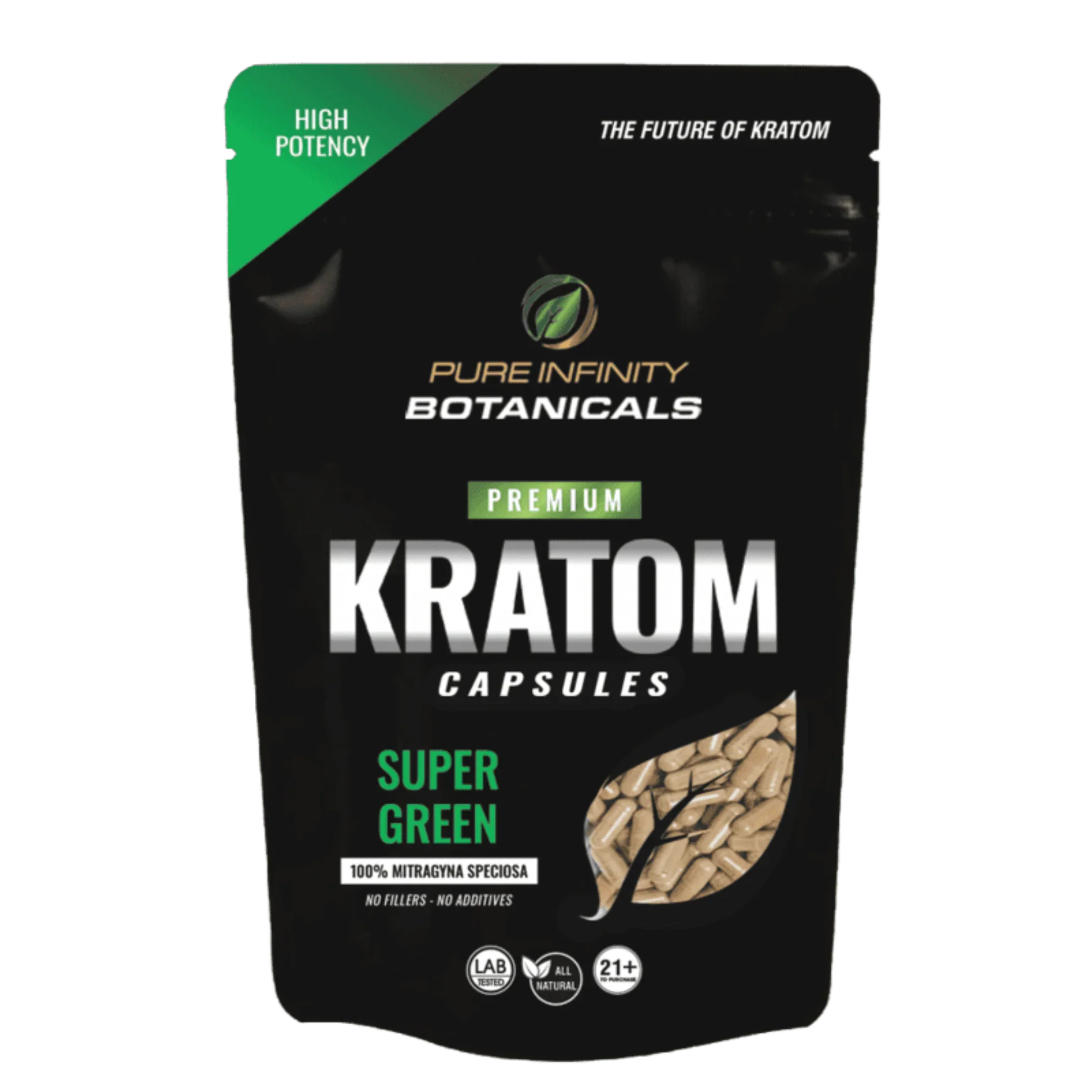
2026 trends: what’s changing right now in kratom capsules and the botanical capsule market
2026 is a “trust era” for botanicals. Consumers aren’t just comparing strains—they’re comparing documentation. Several trends are accelerating this shift.
Trend 1: COA-first shopping behavior
More consumers now ask for COAs before buying, a behavior borrowed from CBD’s maturation over the last decade. Brands that make COAs easy to access (QR codes on labels, batch lookup pages, fast customer support) convert better—and keep customers longer.
Trend 2: Broader adoption of GMP-aligned practices
In supplements, GMP expectations are well-established, and kratom brands are increasingly adopting similar playbooks: controlled lots, sanitation protocols, incoming raw material checks, and retention samples. This mirrors broader dietary supplement usage and heightened consumer scrutiny (CRN, 2023).
Trend 3: Capsule innovation cleaner excipients, better digestion, better tracking
The “botanical capsule” category is benefiting from improved capsule materials (e.g., HPMC options), cleaner flow agents, and better fill-weight monitoring. Some brands now integrate QR-based batch verification and educational dosing guides—tools that reduce misuse and improve customer experience.
Trend 4: Competitive pressure exposes low-quality players
As premium expectations rise, brands selling untested or inconsistent capsules are getting called out publicly in reviews and community forums. In 2026, “we test” isn’t enough. Consumers want to know whatyou test for, how often, and whoperforms the testing.
Common mistakes to avoid (and pro tips for better results)
Most negative experiences with capsules aren’t mysterious they’re predictable. Avoid these mistakes to get more consistent outcomes from organic kratom capsules while keeping risk low.
Conclusion
Wellness consumers are choosing organic kratom capsules because they fit modern routines: cleaner positioning, easier dosing, and less friction. In 2026, the brands that earn trust are the ones that prove quality with documentation not hype.
If you’re ready to upgrade your routine, choose a capsule product that’s built around transparency: batch-level COAs, ethical sourcing, and consistent manufacturing. That’s the standard we push at Pure Infinity Botanicals because the industry has had enough low-quality competitors hiding behind buzzwords.
Contact us if you want help selecting the right product format or understanding COAs before you buy, reach out to Pure Infinity Botanicals via our website contact page or customer support email and we’ll walk you through it.
Frequently asked questions
What are organic kratom capsules?
Organic kratom capsules are pre-measured capsules filled with kratom leaf powder that’s marketed as organically grown or produced under cleaner cultivation practices. The most credible products back the “organic” claim with documentation plus batch-specific lab testing for contaminants.
Are organic kratom capsules stronger than regular kratom capsules?
Not inherently. “Organic” speaks more to cultivation and handling practices than potency. Strength depends on the plant material, processing, and consistency—so look for batch testing and quality controls rather than assuming organic equals stronger.
How do I verify quality when buying kratom capsules online?
Ask for a batch-specific COA and confirm it includes microbial and heavy metals testing. Check that the COA batch number matches the product you’re buying, and verify the lab is independent. Avoid sellers who only provide generic certificates or vague “tested for purity” statements.
Where can I buy natural kratom capsules from a trustworthy brand?
Choose sellers that publish transparent sourcing information, provide current COAs, and maintain responsive customer support with clear contact information. “Trustworthy” in 2026 means traceability plus testing if either is missing, keep shopping.
What should I look for on a COA for kratom capsules?
At minimum, look for Salmonella and E. coli screening, yeast/mold counts, and a heavy metals panel (lead, arsenic, cadmium, mercury). Ideally, you’ll also see adulterant screening and clear batch identifiers. A COA should be current and specific to the lot you receive.
Do premium kratom capsules for pain work better?
“Premium” usually means better consistency and cleaner manufacturing, which can improve user satisfaction. However, kratom is not FDA-approved to treat pain, and individual responses vary widely. If you’re managing persistent pain, consult a clinician and don’t use botanicals as a substitute for medical evaluation.
Are kratom capsules safer than kratom powder?
Capsules can be safer from a dosing-consistency standpoint because they reduce measuring errors. But safety still depends on product quality (contaminant testing, handling, storage) and responsible use. Poor-quality capsules can be just as risky as poor-quality powder.
How many kratom capsules should I take as a beginner?
Serving size depends on capsule fill weight and individual factors, so start low and track your response. Check the label for mg per capsule and avoid rapid escalation. If you take medications or have health conditions, consult a qualified professional before use.
What is a botanical capsule, and why does it matter?
A botanical capsule is simply a capsule containing plant-based material (like kratom, kava, or blue lotus). It matters because botanicals vary widely in purity and contamination risk, so third-party testing and good manufacturing practices are key quality signals.
What are the biggest red flags when I see kratom capsules for sale?
Major red flags include no batch-specific COA, suspiciously low pricing, unclear sourcing, and aggressive medical claims. Also avoid vendors who won’t answer basic questions about testing or who provide unverifiable lab reports.


