

Premium kratom capsules are booming but so are low-quality, under-tested products that look “clean” on the label and still disappoint (or worse, fail safety checks). The stakes are real: U.S. poison control centers reported 3,484 kratom exposure calls in 2019(U.S. National Poison Data System, 2020), and much of the risk discussion in 2026 centers on contaminants, adulteration, and inconsistent alkaloid content not kratom used responsibly by informed adults.
This guide breaks down exactly what to look for when choosing premium kratom capsules in 2026: lab testing that actually means something, sourcing signals that predict consistency, capsule and ingredient quality, how to read COAs like a pro, and the biggest buying mistakes to avoid. If you want to buy natural kratom capsules with confidence this is your checklist.
Why “premium” matters more in 2026 than it did in 2020
In 2026, kratom is no longer a niche product it's a mainstream wellness alternative competing with energy, relaxation, and mood-support categories. That growth has triggered two parallel trends: better professionalization among top brands and more opportunistic “white label” sellers cutting corners.
Regulatory scrutiny is also rising. The U.S. FDA has continued to flag kratom-related safety concerns and has emphasized the need to prevent contaminated products from reaching consumers (FDA public communications, ongoing). At the same time, industry-led quality frameworks have become more common especially the American Kratom Association (AKA) GMP program, which pushes manufacturers toward contaminant testing, sanitation controls, and traceability (AKA GMP Standards, ongoing).
Start with safety: the lab tests premium kratom capsules must have
When people ask how to choose premium kratom capsules, the most important answer is simple: choose the product with the strongest, most transparent testing.A pretty label and “third-party tested” badge are meaningless without a complete, current COA (Certificate of Analysis) tied to your exact batch/lot.
The non-negotiable test panel
At minimum, a premium product should provide current COAs (ideally within the last 12 months per product line, and per-batch whenever possible) covering:
Why? Because documented incidents in the category have involved contamination and adulteration concerns, and because botanical materials can vary naturally. Alkaloid testing is about predictability; contaminant testing is about risk control.
What “third-party tested” should look like in real life
Here’s the practical standard: a COA should include the lab name, test methods, dates, lot number, and actual numerical results not just “PASS.” If the COA doesn’t match your bottle’s lot number, treat it as promotional, not proof.
Quality benchmark: many leading botanical manufacturers align their contaminant thresholds with recognized supplement expectations and adopt AKA GMP-style frameworks. In the broader supplement world, mislabeling and quality failures remain common for example, an analysis of CBD products found only 30.95% were accurately labeled (Bonn-Miller et al., JAMA, 2017). Different category, same lesson: testing and transparency matter more than hype.
How to read a kratom COA like a pro (even if you’re not a scientist)?
A COA can feel intimidating, but you only need a few checkpoints to make it actionable. The goal is to confirm you’re getting what you paid for and not getting what you didn’t.
What alkaloid numbers mean for your experience?
Mitragynine is often reported as a percentage by weight. Higher isn’t automatically “better” it’s about matching your goal (energy vs. relaxation vs. balance) and your sensitivity. The premium signal is consistency across batches so you can dose responsibly and predictably.
Also note: some brands chase extreme numbers using aggressive processing or blending without explaining it. In 2026, informed consumers increasingly prefer transparent standardizationover “super strong” marketing.
Capsule quality is not an afterthought: it changes absorption, allergens, and trust
A botanical capsule is more than a delivery method it’s part of the ingredient list and the user experience. Premium kratom capsules should specify capsule material, excipients (if any), and provide allergen clarity.
Vegetarian vs. gelatin capsules: what to choose
Premium brands label this clearly and avoid unnecessary fillers. If you see “proprietary flow agents” with no explanation, that’s a transparency red flag.
Watch for hidden fillers and “capsule dust” tactics
In capsule products, low-quality competitors sometimes underfill capsules or blend in cheap, inert ingredients to improve flow during encapsulation. You can’t see it but you can detect it via:
If the label avoids stating mg per capsule, you’re being asked to buy blind.
Sourcing and processing: where premium is won (or lost)
The best capsule in the world can’t save poor raw material. Premium kratom capsules start with disciplined sourcing and controlled processing especially drying, milling, storage, and sanitation.
Traceability signals that predict consistency
Look for brands that can explain:
Traceability isn’t a buzzword it reduces batch variance and contaminant risk. This is why serious brands invest in supplier verification and documented handling procedures.
Real-world scenario: why two “green capsule” products feel different
Imagine two consumers buying “green vein” capsules from two different sellers. One brand uses verified batches, controlled milling, and standardized blending. The other buys spot-market powder and caps it quickly. Even if both labels say “Green,” the real experience can differ due to alkaloid variability and freshness leading to inconsistent outcomes and consumer distrust.
Comparison table: quick way to vet premium kratom capsules
Use this table as a practical buying checklist. If a brand can’t meet most of the “premium” column, it’s not a premium product regardless of price.
|
Criteria |
Premium kratom capsules |
Budget/low-transparency capsules |
|---|---|---|
|
COA availability |
Batch/lot-specific COAs, easy to access |
Generic COA, outdated, or “available on request” |
|
Testing panel |
Heavy metals + micro + adulterants + alkaloids |
Only potency or only “micro,” limited details |
|
Label clarity |
mg per capsule, capsule type, full ingredients |
Vague “proprietary blend,” unclear capsule content |
|
Sourcing transparency |
Traceability + processing controls described |
“Ethically sourced” with no explanation |
|
Consistency focus |
Standardized blending and batch targets |
Spot-market variability, frequent “new batches” |
How to choose the right capsule strength and use it responsibly?
Premium doesn’t just mean “strong” it means doseable. Capsules make dosing easier, but only if the product is consistent and the label is clear.
Practical dosing framework (capsule-based)
Because tolerance, goals, and sensitivity vary, many experienced users follow a cautious approach: start low, track effects, and adjust gradually. A practical capsule strategy looks like:
Edge case:If you’re switching brands, treat it like a new product—even if the “strain” name is the same. Different sourcing and alkaloid profiles can change how it feels.
Interactions and safety boundaries
If you take prescription medications, have liver conditions, or have a history of substance use disorder, talk to a qualified clinician before using kratom. Also avoid mixing kratom with alcohol or sedatives combining CNS-active substances can increase risk.
Data point: A comprehensive review noted increasing kratom exposures over the 2010s and emphasized the role of co-ingestants in many severe outcomes (e.g., FDA and surveillance summaries; NPDS trend reporting across those years). The takeaway for 2026 buyers is clear: responsible use and clean products go together.
2026 trends shaping premium botanical products (and what to do about them)
The premium end of the market is being reshaped by consumer expectations borrowed from sports nutrition, functional beverages, and “clean label” supplements. In 2026, the winners are brands that prove quality like a modern supplement company while staying honest about what botanicals can and can’t do.
Trend 1: COA-first shopping (QR codes and batch portals)
More consumers now expect a QR code that opens a batch portal with COAs, not a marketing PDF. This mirrors the transparency wave across supplements and aligns with broader consumer trust dynamics.
Trend 2: Standardized blends and “effects-based” positioning
Instead of over-promising strain mythology, premium brands increasingly standardize for target alkaloid ranges and position products around lifestyle outcomes like energy, relaxation, and balance with clearer disclaimers and responsible language.
Trend 3: Tougher scrutiny on contaminants and sanitation
In the wider supplement space, contamination and GMP enforcement remain ongoing issues. For example, the FDA has continued publishing CGMP warning letters across categories in recent years, reinforcing that manufacturing discipline is not optional (FDA, ongoing). Premium kratom capsule brands in 2026 increasingly invest in sanitation SOPs, microbial controls, and supplier verification to avoid becoming the next headline.
Common mistakes to avoid when buying natural kratom capsules
If you want to buy natural kratom capsules and get a premium experience, avoid these common traps that cost consumers the most money and create the most risk.
Mistake 1: Buying based on “strain names” alone
Strain/vein labels are not standardized across the industry. Treat them as a rough starting point, then rely on COAs, batch consistency, and brand transparencyto make the final decision.
Mistake 2: Trusting “proprietary blends” with no mg per capsule
If the product won’t tell you what’s in each capsule, you can’t dose responsibly. Premium products make mg-per-capsule and total count obvious.
Mistake 3: Ignoring lot numbers and testing dates
A COA from two years ago doesn’t prove today’s product is clean. In 2026, the baseline expectation is current documentation and batch traceability.
Mistake 4: Choosing the cheapest option for daily use
Kratom is a botanical—quality varies. If you use capsules regularly, prioritize consistent sourcing and full test panels. Cheap capsules can become expensive when you factor in inconsistency, waste, or replacing products that don’t meet your needs.
Mistake 5: Overdoing it because capsules feel “measured”
Capsules are convenient, but convenience can hide escalation. Use a simple rule: set a personal cap (max capsules/day), take breaks when needed, and track your use.
Buyer’s checklist: how to vet a brand in under 10 minutes
Here’s a fast, practical process you can use today when shopping premium kratom capsules and other premium botanical products.
Pro tip: Save the COA PDFs for the batches you like. If the next bottle feels different, you can compare alkaloid profiles and identify whether it’s a batch shift, a storage issue, or simply tolerance changes.
Conclusion
Choosing premium kratom capsules is about measurable quality, not marketing. In 2026, the smartest buyers act like quality auditors: they verify testing, demand traceability, and prioritize consistent batches over loud claims.
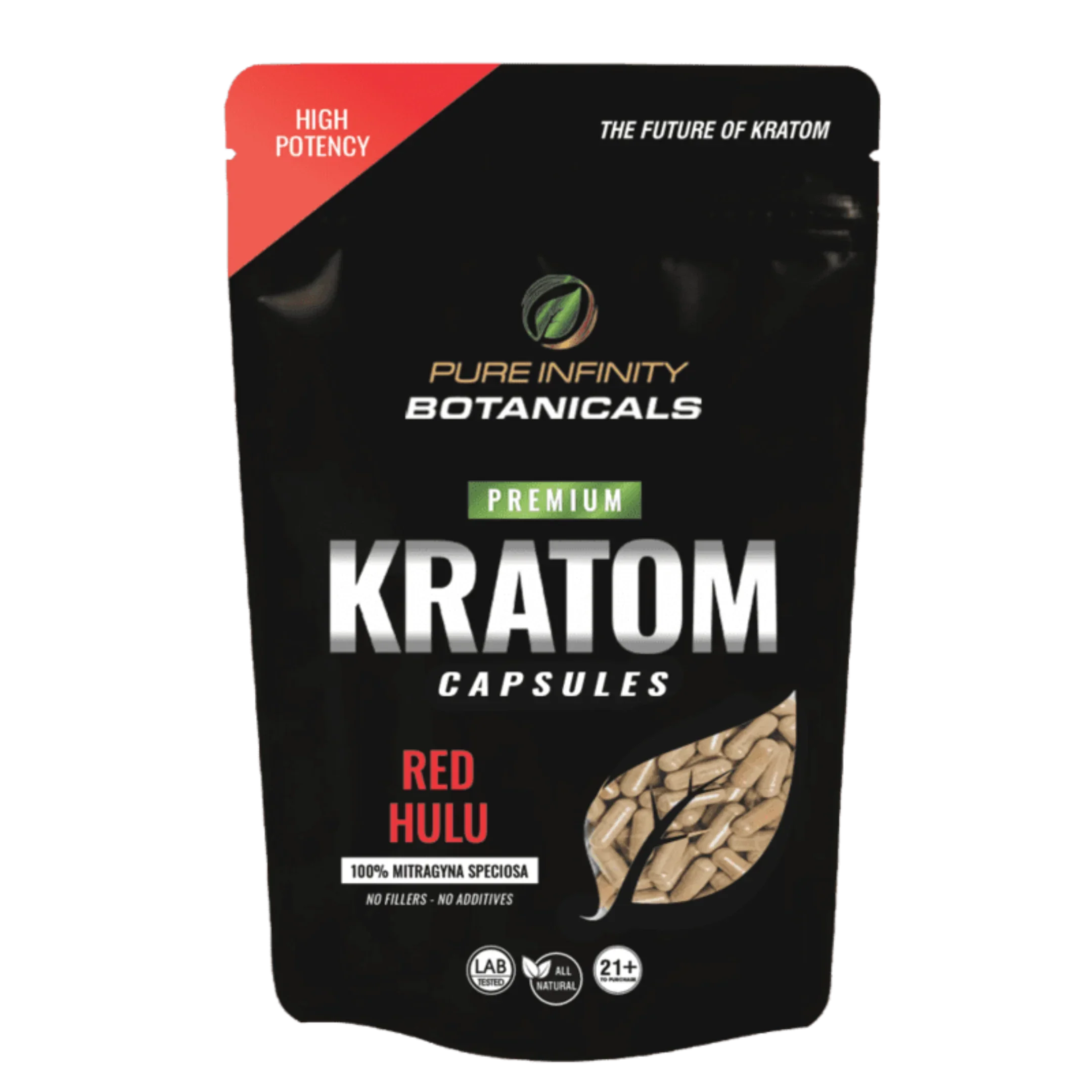
If you’re ready to upgrade to a cleaner, more consistent capsule experience, explore lab-tested options from Pure Infinity Botanicals. We’re unapologetically strict about sourcing, batch documentation, and transparency because “premium” should be provable.
Contact us if you have questions about batch COAs, capsule specs, or choosing the right product for your lifestyle goals, reach out to Pure Infinity Botanicals via our website contact form or customer support email.
Frequently asked questions
What makes premium kratom capsules “premium”?
Premium kratom capsules are defined by transparent batch testing, consistent alkaloid content, clean encapsulation practices, and traceable sourcing. A premium label should be supported by COAs showing heavy metals, microbiology, adulterant screening, and potency.
How do I know if a kratom COA is real and relevant to my bottle?
Match the COA’s lot/batch number to your bottle and confirm the test date is recent. A real COA includes the lab name, methods, numerical results, and signatures or authentication markers—not just a “pass” stamp.
Should I choose a botanical capsule (vegetarian) or gelatin capsules?
A vegetarian botanical capsule (often HPMC) is a great choice if you want a plant-forward option or avoid animal products. Gelatin works for many people, but premium brands should clearly label capsule type and disclose any allergens.
Is it safer to buy natural kratom capsules than powder?
Capsules can be more convenient and consistent for dosing, but safety depends on testing and manufacturing controls, not the format. Powder and capsules can both be premium if they are batch-tested and produced under strong quality systems.
What lab tests should premium kratom capsules include in 2026?
At minimum: heavy metals (Pb, As, Cd, Hg), microbiology (including Salmonella and E. coli), adulterant screening, and alkaloid potency (mitragynine and ideally 7-hydroxymitragynine). If a brand only tests for one category, that’s not premium.
Why do different batches of the same “strain” feel different?
Kratom is an agricultural product, so alkaloid content can vary with harvest conditions and processing. Premium brands reduce this variation through standardized blending and clear batch targets, which is why COAs and consistency matter more than strain names.
Can I travel with premium kratom capsules in 2026?
It depends on where you’re going—kratom legality varies by country and by U.S. state or local jurisdiction. Always check current local laws, keep products in original packaging with lot numbers, and carry COAs when possible.
How do I choose capsule strength (e.g., 500 mg vs. 750 mg)?
Choose based on your sensitivity, desired flexibility, and ability to titrate. Many people prefer 500 mg capsules for finer control, while higher-fill capsules reduce pill count—either way, the label should clearly state mg per capsule.
Can premium kratom capsules interact with medications or alcohol?
Yes. Avoid combining kratom with alcohol or sedatives, and consult a clinician if you take prescription medications or have liver conditions. Many severe adverse events discussed in surveillance reports involve co-ingestants rather than kratom alone, so conservative choices matter.
What’s the fastest way to avoid low-quality competitors?
Refuse to buy without a batch-matched COA and a full safety panel. Low-quality sellers often hide behind vague “third-party tested” claims, omit mg-per-capsule labeling, or provide outdated documents.


