

Kratom extract has become a widely discussed botanical product in recent years, particularly among individuals exploring plant-based alternatives for managing discomfort, enhancing focus, or supporting mood.
From raw kratom leaves to processed formats such as white kratom capsules and the best kratom tablets, the modern marketplace offers a wide range of options. Understanding how these products differ and what risks they may carry is essential before making informed decisions.
This guide provides a comprehensive overview of kratom extract, including its origins, forms, effects, safety considerations, and factors to evaluate when deciding where to buy kratom online.
What Is Kratom Extract?
Botanical Origin and Background
Kratom is derived from the leaves of Mitragyna speciosa, a tropical evergreen tree native to Southeast Asia. It has been traditionally used in countries such as Thailand, Indonesia, and Malaysia for centuries.
In its natural setting, kratom leaves were often chewed fresh or brewed into tea. Laborers historically used the plant to combat fatigue and improve endurance.
Active Compounds in Kratom
The primary active compounds found in kratom are alkaloids, particularly mitragynine and 7-hydroxymitragynine. These compounds interact with receptors in the brain and influence how the body responds.
What Makes Kratom Extract Different
Kratom extract is a concentrated form created by processing raw kratom leaves to isolate and enhance their active components. This results in higher potency compared to standard powder.
Types of Kratom Products Available
Raw Kratom
Raw kratom refers to dried and ground leaves in their most natural form. It is commonly brewed as tea or mixed into beverages. This form is often preferred by individuals who want a more traditional experience, as it closely resembles how the plant has been used historically in Southeast Asia. The preparation process may vary depending on personal preference, including steeping, blending, or direct consumption. While it offers flexibility, raw kratom may have a strong taste that some users find difficult to manage, which can influence the choice of consumption method.
Kratom Extract
Kratom extract is a concentrated version designed for higher potency in smaller quantities. It is typically produced by boiling down kratom leaves to isolate and intensify the active compounds, resulting in a stronger formulation compared to standard powder. Due to its concentration, extract is often used by individuals who are familiar with kratom and understand how to manage intake levels carefully. It is available in various forms such as liquids, resins, or enhanced powders, each offering different levels of convenience and absorption depending on the method of use.
Best Kratom Tablets
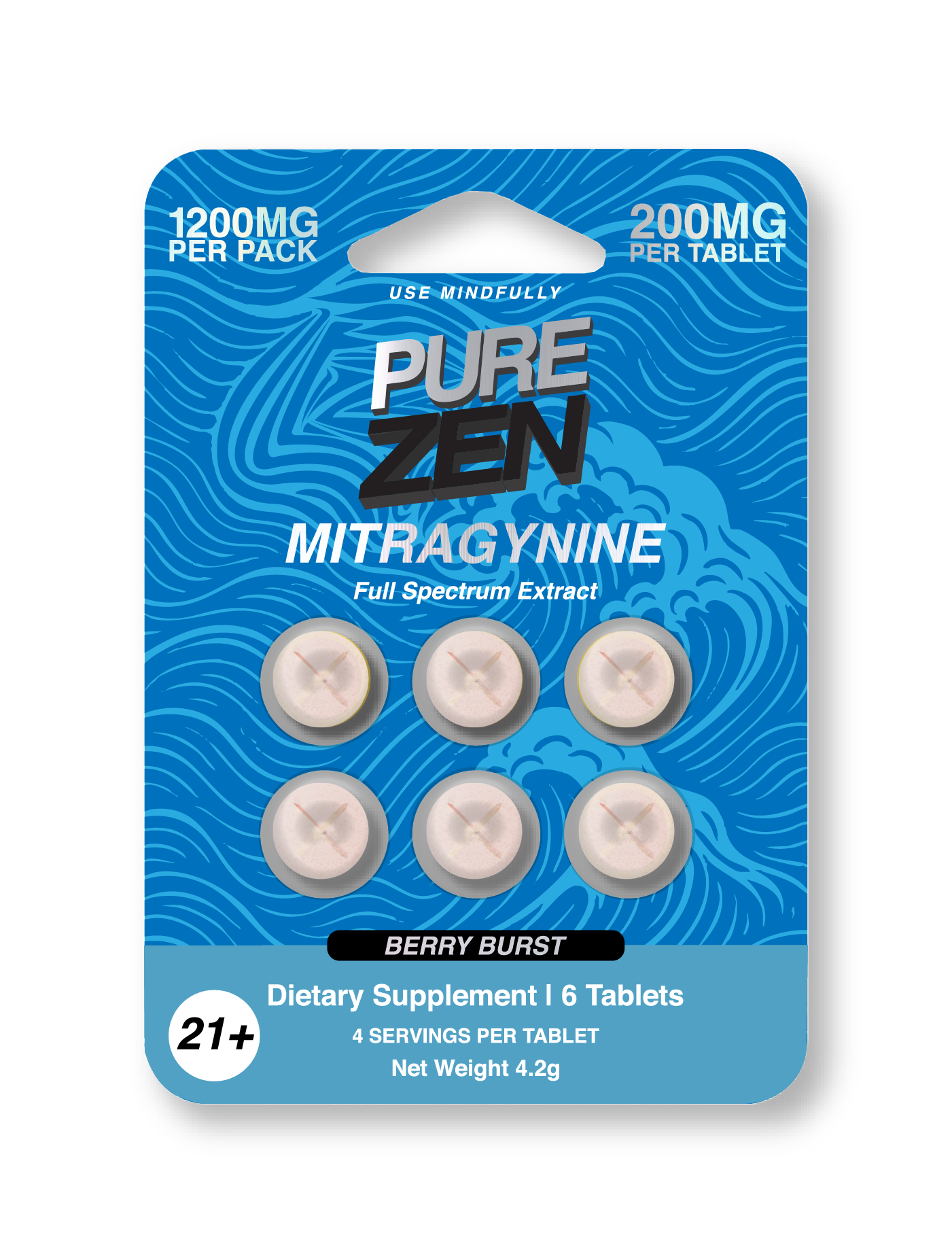
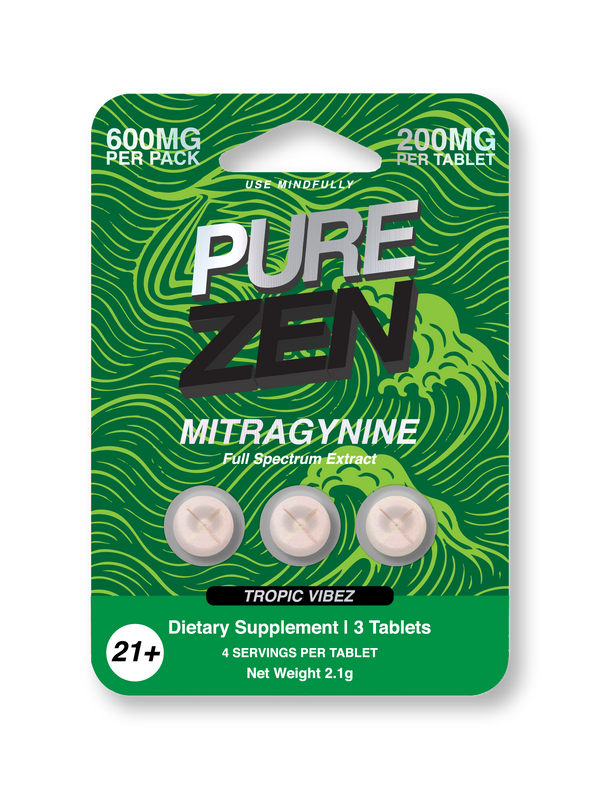
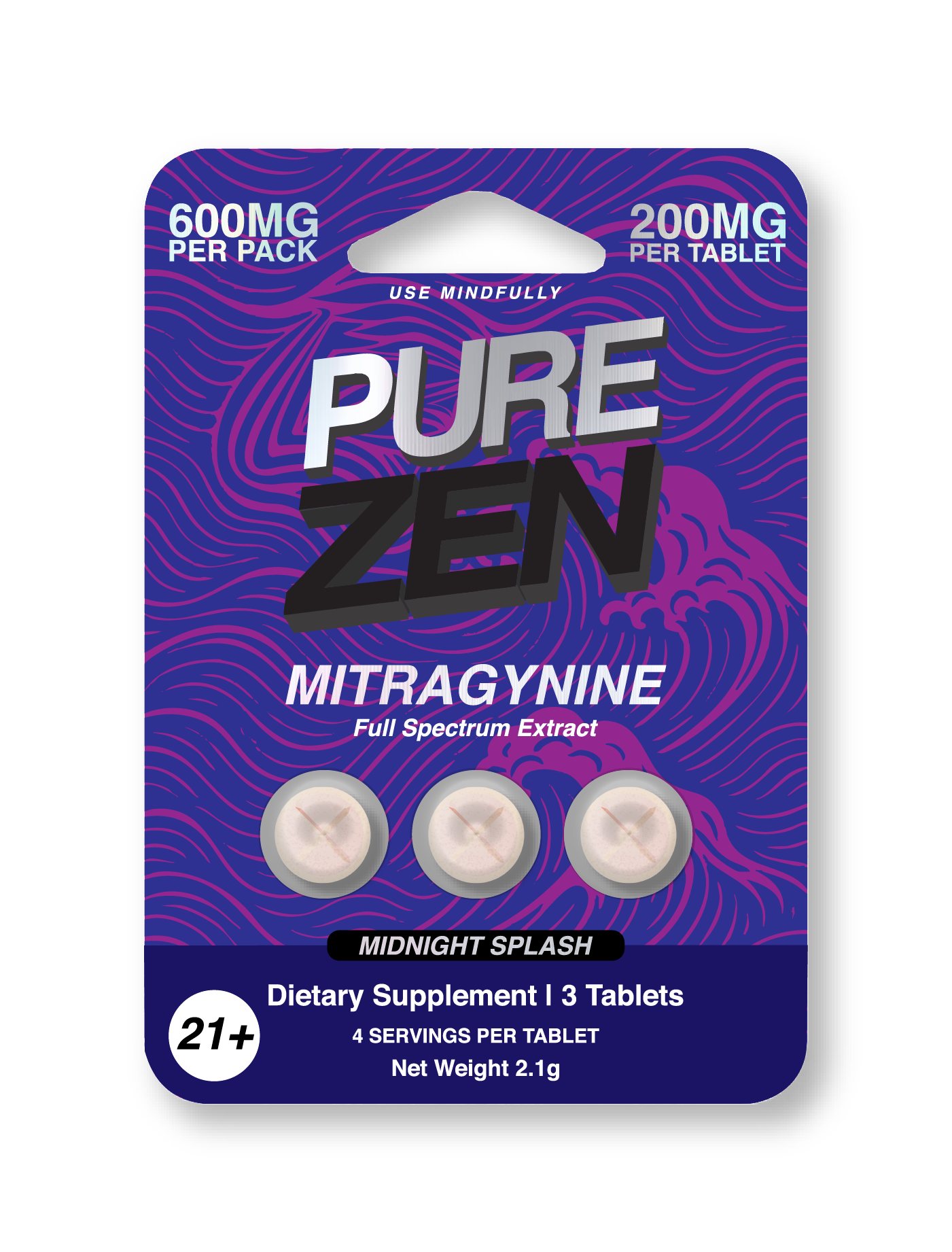
Kratom tablets are compressed forms of kratom powder or extract. They are often selected for convenience and ease of use. Tablets eliminate the need for measuring or preparation, making them suitable for individuals who prefer a straightforward approach. Their compact form also makes them easy to carry and store, which can be beneficial for those with busy routines or travel needs. Additionally, tablets may help maintain more consistent serving sizes compared to loose powder, though they typically offer less flexibility when it comes to adjusting quantity.
Capsules vs Powder vs Extract
Capsules are easy to consume, powder allows flexible usage, and extracts provide higher concentration. Each form serves a different purpose depending on user preferences and experience levels. Capsules are often chosen for their convenience and ability to mask the natural taste of kratom, while powders provide greater control over quantity and preparation methods. Extracts, on the other hand, are more potent and require careful handling due to their concentrated nature. Understanding these differences helps individuals select a format that aligns with their lifestyle, expectations, and level of familiarity.
How Kratom Works in the Body?
Interaction with Brain Receptors
Kratom compounds interact with receptors in the brain that influence perception and response.
Dose-Dependent Effects
|
Dose Range |
Reported Effects |
|
Low |
Increased energy, alertness |
|
Moderate |
Balanced mood, mild effects |
|
High |
Relaxation, sedation |
Onset and Duration
Effects typically begin within 10 to 30 minutes and may last several hours depending on the form used.
Common Uses and Consumer Behavior
Pain Management
Some individuals use kratom extract for discomfort, although clinical evidence remains limited. Reports from users suggest that certain forms, including raw kratom and extracts, may influence how the body perceives discomfort, particularly in cases involving physical strain or long-term conditions. However, these outcomes are largely based on personal experiences rather than controlled clinical studies. Because of this, individuals considering kratom for such purposes should approach it cautiously and remain aware of potential variability in results and associated risks.
Energy and Focus
Lower doses are often associated with increased alertness and productivity. Some users describe effects similar to mild stimulants, which may support concentration during demanding tasks or extended work periods. This has contributed to its use among individuals seeking alternatives for maintaining energy levels throughout the day. However, responses can differ depending on the form consumed, such as capsules, powder, or kratom extract, as well as individual tolerance. Overuse or frequent consumption may reduce effectiveness over time and increase the likelihood of unwanted effects.
Mood Support
Users sometimes report changes in mood, though results vary. Some individuals describe a sense of calm or improved outlook when using certain kratom products, particularly at moderate intake levels. These effects may be influenced by the interaction of alkaloids with brain receptors, though the exact mechanisms are not fully understood. It is important to note that mood-related outcomes are subjective and can differ widely between individuals. External factors such as environment, overall health, and frequency of use can also play a role in shaping these experiences.
Self-Managed Withdrawal
Some individuals use kratom during withdrawal from other substances, but this approach involves risks. While anecdotal reports suggest it may help reduce certain symptoms, it can also lead to dependence if not managed carefully. Without proper medical guidance, substituting one substance for another may complicate recovery rather than support it. Additionally, inconsistent product quality and lack of standardized dosing further increase uncertainty in outcomes. Individuals considering this approach should be aware of these challenges and prioritize informed decision-making and professional advice where possible.
Safety Concerns and Potential Risks
Risk of Dependence
Frequent use may lead to dependence, especially at higher intake levels.
Common Side Effects
- Nausea
- Dry mouth
- Sweating
- Constipation
Severe Side Effects
- Hallucinations
- Liver complications
- Seizures in extreme cases
Contamination Risks
Unregulated products may contain bacteria or heavy metals, making quality verification essential.
Legal and Regulatory Status
Global Perspective
Kratom is restricted or banned in several countries.
United States Overview
Its legality varies by state, and regulatory discussions continue.
Importance of Compliance
Consumers should verify local laws before purchasing or using kratom products.
Where to Buy Kratom Online Safely?
When deciding where to buy kratom online, several quality indicators should be evaluated.
Third-Party Lab Testing
Reliable products include lab reports verifying purity and composition.
Transparent Sourcing
Information about origin and processing helps assess quality.
Product Labeling
Clear labeling should include ingredients and usage details.
Avoiding Misleading Claims
Products claiming medical cures should be approached cautiously.
Comparing Kratom Forms
|
Form |
Potency |
Convenience |
Flexibility |
Risk Level |
|
Raw Kratom |
Low |
Moderate |
High |
Moderate |
|
Extract |
High |
High |
Low |
Higher |
|
Tablets |
Medium |
Very High |
Low |
Moderate |
|
Capsules |
Medium |
High |
Medium |
Moderate |
How to Choose the Right Form?
Based on Experience Level
Beginners may prefer capsules or raw kratom, while experienced users may explore extracts. Capsules and raw kratom typically provide a more gradual and manageable experience, making them easier for those unfamiliar with potency variations. New users often benefit from starting with simpler forms to better understand how their body responds over time. In contrast, individuals with prior exposure may seek more concentrated formats like kratom extract, which require greater awareness of serving size and tolerance. Choosing based on experience helps reduce the likelihood of unintended effects and supports more informed and controlled use.
Based on Lifestyle
Tablets suit convenience, while powders allow flexibility. For individuals with busy schedules, tablets and capsules are often preferred because they are portable, pre-measured, and easy to consume without preparation. This makes them suitable for consistent use without disruption to daily routines. On the other hand, powders appeal to users who want more control over quantity and preparation methods, such as mixing with beverages or preparing tea. Lifestyle considerations such as travel, work environment, and time availability can significantly influence which form is more practical and sustainable for regular use.
Based on Desired Effects
Different forms offer varying intensity levels. For example, kratom extract is generally more concentrated and may produce stronger effects in smaller amounts, while raw kratom tends to deliver milder and more gradual results. Users seeking subtle or moderate effects may gravitate toward powder or capsules, whereas those looking for more pronounced outcomes may consider extracts with caution. The choice should align with personal expectations, tolerance levels, and awareness of potential risks. Understanding how each form differs in strength and onset can help individuals select an option that best matches their intended use.
Key Considerations Before Use
Not FDA Approved
Kratom is not approved for medical use and requires careful consideration. This means that products containing kratom are not evaluated under the same regulatory standards as approved medications, and their safety, quality, and effectiveness are not guaranteed. Consumers should be aware that labeling may vary between vendors, and claims made about benefits are often not supported by clinical evidence. It is important to approach kratom use with caution, rely on credible information sources, and avoid assuming therapeutic outcomes without proper scientific backing.
Individual Variability
Effects vary depending on the individual. Factors such as body weight, metabolism, tolerance, and overall health can all influence how kratom interacts with the body. What produces mild effects in one person may lead to stronger or less predictable outcomes in another. Additionally, frequency of use and combination with other substances can further alter the experience. Because of this variability, it is important for individuals to remain cautious, observe their responses carefully, and avoid making assumptions based on others’ experiences or generalized claims.
Importance of Moderation
Higher intake increases the risk of side effects. Consuming larger amounts or using kratom frequently may lead to unwanted outcomes such as nausea, dizziness, or more serious complications over time. Moderation plays a key role in minimizing potential risks and maintaining a balanced approach. Users should be mindful of frequency and quantity, allowing time between uses and avoiding escalation in intake. Responsible use includes being aware of physical and behavioral changes, recognizing early signs of overuse, and adjusting habits accordingly to reduce the likelihood of dependence or adverse effects.
Conclusion
Kratom extract and its related forms, including raw kratom and tablets, represent a growing category in botanical products. While they are widely discussed for various uses, it is essential to understand both their potential effects and associated risks.
Careful evaluation of product quality, sourcing practices, and safety considerations is important when deciding where to buy kratom online. Transparency and responsible use remain key factors in making informed decisions.
For more information about botanical sourcing and product standards, contact Pure Infinity Botanicals.
Frequently Asked Questions
Q1: What is kratom extract used for?
Kratom extract is commonly explored for discomfort management, energy, and mood-related effects, though evidence is limited.
Q2: Is raw kratom safer than extract?
Raw kratom is less potent, which may reduce certain risks, but both forms require caution.
Q3: Where to buy kratom online safely?
Look for lab-tested products with transparent sourcing and proper labeling.
Q4: Are the best kratom tablets effective?
They offer convenience and consistency, but results vary by product quality and user.
Q5: Can kratom cause dependence?
Yes, long-term use may lead to dependence.
Q6: How is kratom extract different from powder?
Extract is more concentrated, while powder is less processed and more flexible.


