

Stress is no longer “just a feeling” it’s a measurable public health load. The World Health Organization has repeatedly framed stress as a major modern health challenge, and in the U.S., 77% of people say stress affects their physical health(American Institute of Stress, 2023). That’s why more adults (21+) are exploring botanicals that fit real life: fast evenings, busy mornings, and the need to downshift without feeling “knocked out.” If you’re looking to buy blue lotus products, you’re in the right place.
This 2026 guide breaks down how to use blue lotus extract and blue lotus flower products for calm practically, safely, and with quality-first strategy. You’ll learn the best formats, timing, pairing ideas, common mistakes to avoid, and what’s changing in the blue lotus market right now.
Why blue lotus for relaxation is trendinga?
Blue lotus ( Nymphaea caerulea) has a long history of traditional use, often discussed in the context of ritual relaxation and mood. In modern wellness, it’s most commonly used for “evening calm,” decompression after work, and as a sensory alternative to alcohol-like rituals (without positioning it as a cure or a substitute for medical care).
What’s inside matters. Blue lotus is often associated with alkaloids and aromatic compounds discussed in ethnobotanical literature most notably apomorphineand nuciferine though concentrations can vary widely by plant material, extraction method, and supplier quality. That variability is the core reason some people feel nothing while others feel a noticeable calming shift.
Also, the “relaxation” category is booming. The global herbal supplements market was estimated around $151.9B in 2021with continued growth expected through the decade (Grand View Research, 2022). Meanwhile, consumers are actively seeking sleep and stress supports; in the U.S., more than 1 in 3 adults report short sleep duration(CDC, 2022). The demand signal is obvious what’s missing is consistently high-quality, transparently tested product.
Choosing the right blue lotus format (extracts vs. flower products)
Before you decide “how to use it,” pick the right format. This is where most people waste money buying a weak product, using it inconsistently, and concluding blue lotus doesn’t work.
Blue lotus extract (tinctures, resins, concentrates)
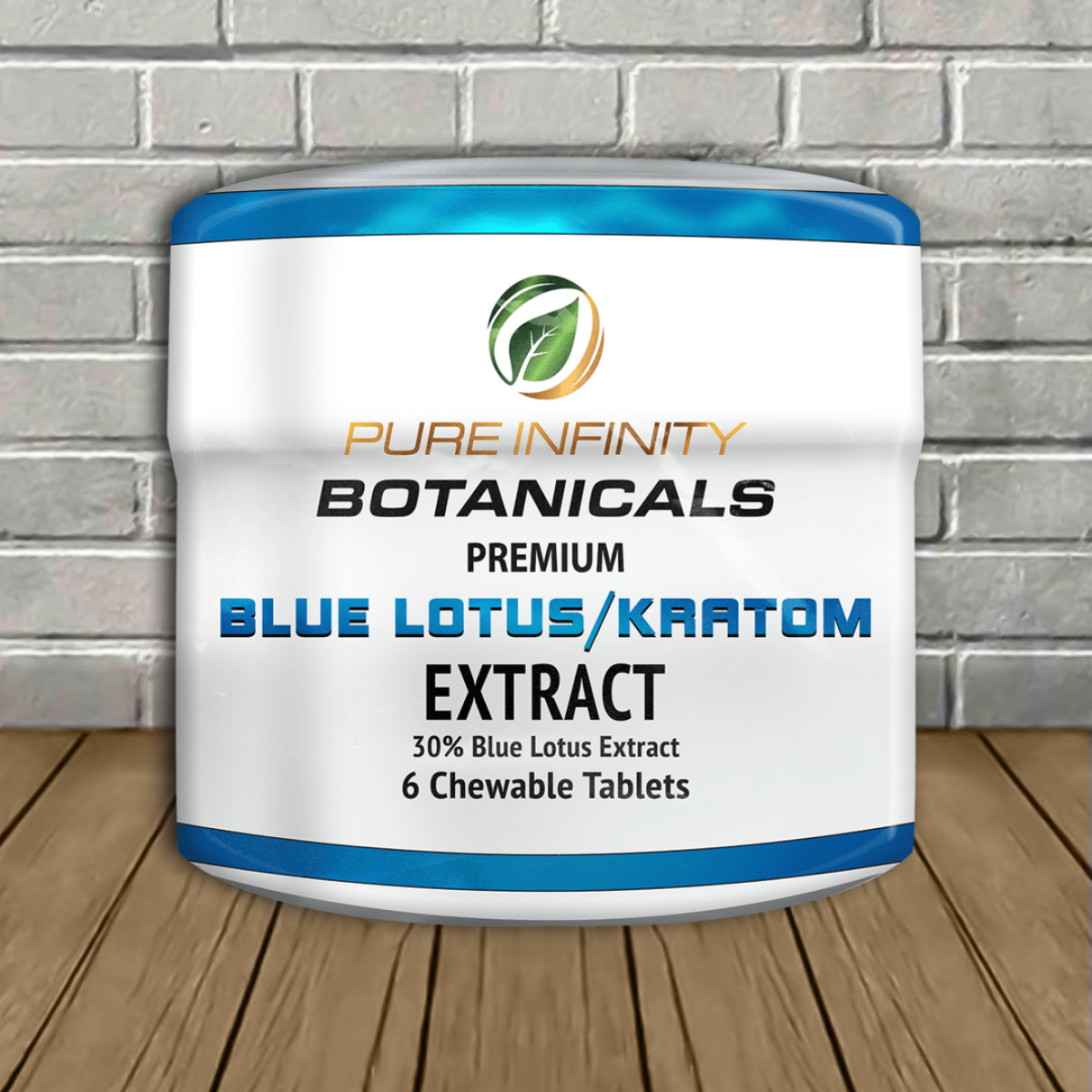
Blue lotus extract is typically used when you want a smaller serving size and more predictable intensity. Because extraction concentrates certain compounds, it’s generally preferred for structured routines (e.g., “30 minutes before bedtime wind-down”). Quality varies dramatically: some “extracts” are under-dosed, poorly filtered, or lack any verifiable lab documentation.
Blue lotus flower products (whole flower, tea blends, smokable/aromatic blends)
Blue lotus flower products shine when you want ritual + relaxation: brewing, aromatics, and slow evenings. The onset is usually gentler and more experience-driven (taste, aroma, warmth). This can be ideal for people who want to relax without chasing intensity.
Quick comparison table (best use cases)
|
Format |
Best for |
Typical onset |
Common downside |
|---|---|---|---|
|
Extract (tincture/resin) |
Consistent relaxation routine, smaller servings |
~15–45 minutes (varies) |
Quality varies; can be overdone if you “stack” too fast |
|
Loose flower (tea/infusion) |
Ritual, gentle unwind, pairing with nighttime habits |
~20–60 minutes |
Can be subtle if flower is old/low-grade |
|
Blend products (tea blends, functional blends) |
Targeted vibe (calm + flavor), convenience |
Depends on ingredients |
Harder to know what’s driving effects; watch for fillers |
|
Aromatic use (bath/steam/ambient) |
Relaxation without ingestion |
Immediate sensory |
Not the same as extract effects; product must be clean |
The best ways to use blue lotus extract for relaxation (step-by-step)
If your goal is relaxation (not stimulation), the best results come from consistency, timing, and environment. A good extract can support a calmer state, but it won’t overpower a chaotic routine. Use it like a “bridge” into relaxation habits not a replacement for them.
Method 1: Evening wind-down routine (most reliable)
Why this works: relaxation is partly conditioned. A repeated cue + same timing trains your body to anticipate downshift. That’s the same reason cognitive-behavioral sleep strategies emphasize routine and environmental triggers (common clinical best practice).
Method 2: “Micro-relaxation” for high-stress days
For some adults, a very small serving (within label guidance) can be used to take the edge off after work without becoming drowsy. Pair it with a 10–15 minute walk, breathwork, or a protein-forward dinner to avoid the “wired but tired” loop.
Method 3: Stack with non-sedating relaxation tools (smart pairing)
Best practice: change only one variable at a time. If you add blue lotus + magnesium + L-theanine all at once, you won’t know what’s helping or what’s causing next-day grogginess.
Dosage, timing, and “what you should feel” (setting expectations)
Blue lotus isn’t usually described as a “knockout.” For most users, the practical goal is subtle-to-moderate relaxation: quieter thoughts, softer body tension, a smoother transition into evening activities. Effects can be influenced by sleep debt, caffeine intake, hydration, and whether you used it on an empty stomach.
What if you feel nothing?
This is common and usually comes down to one of four issues: (1) weak/old product, (2) inconsistent timing, (3) competing stimulants (late caffeine), or (4) expectations set too high. Try a consistent routine for 3–5 sessions before you decide it “doesn’t work.”
What if you feel too relaxed or groggy?
Reduce serving size and avoid stacking with other calming agents. Also check your sleep schedule blue lotus can make you more aware of how sleep-deprived you are, which people interpret as “it made me tired” when it actually revealed the baseline.
Quality, safety, and how to buy blue lotus products without getting scammed
This is where we get slightly disruptive: a big portion of the market is “pretty packaging, weak content.” In 2026, consumers are more educated, and regulators are more attentive to adulteration and misleading labeling across the supplement space.
Non-negotiables when you buy blue lotus products
Dietary supplement quality problems are documented across the industry. A well-cited investigation found many herbal products sold at major retailers contained DNA from plants not listed on the label (New master et al., BMC Medicine, 2013). While that study is older, it remains a landmark example of why identity testing and transparent COAs matter especially for trending botanicals.
Bottom line: don’t just shop by price-per-bottle. Shop by batch transparency.

2026 trends: what’s changing with blue lotus extract and relaxation products
The blue lotus category is shifting fast in 2026, driven by three forces: consumer demand for “alcohol-light” rituals, stricter platform policies around claims, and quality differentiation via testing and traceability.
Trend 1: Ritual-first products (not just potency)
Brands are leaning into relaxing experiences: blue lotus blends for evening mocktails, teas designed for “screen-off” routines, and aromatic lifestyle bundles. This matches a broader move toward “habit-forming wellness,” where products are paired with behavioral cues for repeatable outcomes.
Trend 2: Lab-tested becomes a conversion driver
In 2026, COAs aren’t a luxury they’re a buying trigger. Consumers want QR-linked batch results, contaminant panels, and honest discussions of variability. This mirrors broader supplement category expectations as people demand the same transparency they see in cannabis/hemp markets.
Trend 3: Cleaner formulations and fewer fillers
As competition increases, better brands are removing artificial dyes/flavors and tightening ingredient lists. Expect fewer “kitchen sink” formulas and more single-botanical, dose-transparent products.
Common mistakes to avoid (and pro tips that actually work)
Most “blue lotus didn’t work” stories aren’t about blue lotus they’re about preventable user errors or low-quality products.
Real-world examples: fitting blue lotus for relaxation into modern life
Scenario 1: The “late caffeine” professional
You drink coffee at 3–4 p.m. and wonder why blue lotus feels weak. Solution: move your last caffeine earlier and use blue lotus as part of a 45-minute wind-down. The relaxing effect is easier to notice when your nervous system isn’t still riding stimulants.
Scenario 2: The “I can’t shut my brain off” night owl
Use blue lotus extract with a structured decompression plan: 5 minutes of breathing + 10 minutes of light stretching + low light. Add journaling to offload thoughts. People often blame the product when the missing piece is a “landing routine.”
Scenario 3: The “I want a ritual instead of alcohol” socializer
Choose blue lotus flower products or a tea blend for a slow, social experience. Keep serving light and earlier in the evening if you’ll be driving. The goal is calm connection not impairment.
Conclusion
Blue lotus can be a powerful lifestyle tool for relaxation—when you treat it like a routine, not a gamble. In 2026, the winners in this space are the people who buy smarter, dose slower, and build repeatable rituals.
If you’re ready to buy blue lotus products that are built for real relaxation not hype choose brands that lead with transparency, lab testing, and ethical sourcing. At Pure Infinity Botanicals, we’re committed to clean, trust-driven botanicals you can actually build a routine around.
Contact us if you want help choosing the right blue lotus extract or blue lotus flower products for your goals, reach out to Pure Infinity Botanicals through our website contact form and our team will guide you toward the best fit for your lifestyle and experience level.
Frequently asked questions
Q1: What is blue lotus extract and how is it different from blue lotus flower?
Blue lotus extract is a concentrated preparation made from blue lotus plant material, while the flower is typically sold as whole or cut dried petals/stamens. Extracts tend to be easier to dose consistently, while flower products are often used for teas and rituals. Effects can differ because concentration and composition vary by product type.
Q2: How do I use blue lotus for relaxation without feeling groggy?
Start with the lowest label-recommended serving and use it earlier in your evening wind-down (30–60 minutes before you want to relax). Avoid stacking it with other sedating supplements at first. Also reduce late caffeine, which can create a “tired but wired” rebound.
Q3: When is the best time to take blue lotus extract?
Most people prefer evening use, typically 30–60 minutes before a relaxation routine. If you’re using it after work, try it after your last caffeine and before heavy screen time. Keep timing consistent for a few sessions to evaluate it fairly.
Q4: Can I mix blue lotus extract with alcohol?
It’s best to avoid mixing blue lotus with alcohol because the combination may increase impairment and unpredictability. If your goal is relaxation, consider using blue lotus as part of an alcohol-free ritual instead. If you take medications or have health conditions, consult a clinician.
Q5: How long does blue lotus take to work?
Onset depends on the format and your context (food, stress level, caffeine). Many users report noticing effects within roughly 15–60 minutes, but subtlety is common. Consistent use across 3–5 sessions often provides a clearer read than a single trial.
Q6: What should I look for when I buy blue lotus products online?
Prioritize brands that provide third-party lab testing (COAs), clear ingredient lists, and batch/lot traceability. Avoid vague “proprietary blends” and sellers who won’t share testing details. Freshness, packaging, and sourcing transparency matter more than flashy marketing.
Q7: Are blue lotus flower products legal in the U.S. in 2026?
Blue lotus is commonly sold, but laws and enforcement can vary by state and by intended use or product claims. Always check your local regulations and buy from reputable companies that avoid medical claims. If you’re unsure, ask the seller for compliance information.
Q8: Can I use blue lotus if I’m sensitive to supplements?
If you’re sensitive, start with a very small serving within label guidance and test it on a low-stakes evening. Avoid combining it with other calming agents initially. If you’re pregnant, nursing, have a medical condition, or take medications, talk to a clinician first.
Q9: Why do some blue lotus extracts feel strong and others feel like nothing?
Potency varies based on plant quality, extraction method, storage, and whether the product is authentic and properly tested. This is why COAs and reputable sourcing matter. Inconsistent routines (late caffeine, high stress, poor sleep) can also mask effects.
Q10: What’s the safest way to start a blue lotus relaxation routine?
Pick one product, use the smallest suggested serving, and pair it with a predictable wind-down habit (low light, breathwork, stretching). Track how you feel before and after for a few sessions. Adjust slowly and avoid mixing with alcohol or sedatives.


