

Kratom powder form has become one of the most searched botanical wellness topics because consumers want clean energy, calmer evenings, and better day to day balance without mystery ingredients. The problem is that the market is crowded and quality varies widely. In a recent FDA import update, kratom remained on the agency’s import alert list, which means shipment screening and quality scrutiny are not slowing down (FDA Import Alert 54-15, updated 2025). That reality matters in 2026 because it pushes buyers toward brands that can prove identity, purity, and responsible labeling. In this guide, you will learn the key kratom product types, how strains and vein colors are commonly described, what lab tests actually matter, and how to choose options that fit your lifestyle while minimizing risk.
What “kratom powder form” really means and why it matters?
Kratom typically refers to the dried and milled leaf of Mitragyna speciosa. When people say kratom powder form, they usually mean a fine leaf powder that can be mixed into water, juice, or a smoothie, or measured into capsules. The practical difference between powder, capsules, extracts, and ready to drink products is not just convenience. It is consistency, onset time, taste, portability, and how easy it is to verify dosing.
In 2026, consumers also care more about traceability. The American Kratom Association continues to promote its Good Manufacturing Practices program as a signal for safer production (American Kratom Association, GMP program updates ongoing through 2024). Even if you do not follow a specific program, the idea is now mainstream. Buyers expect a batch number, a recent certificate of analysis, and a clear ingredient statement.
Powder as the baseline product type
Plain leaf powder is the foundation that most other products build on. Capsules are typically just powder inside a shell. Many extracts start as powder then go through solvent or water processing. If you understand powder well, you understand the category.
Why form affects your experience
Form influences how quickly you feel effects and how predictable those effects are. Powder can be flexible but harder to measure without a scale. Capsules are easy to travel with but can feel slower for some people. Extracts can be intense and are easier to misuse if the label is unclear.
Strains, vein colors, and what is actually consistent
Consumers often shop by “strain” and “vein color” like red, green, or white. The honest industry view is that naming conventions are not standardized across farms and exporters. Many vendors use strain names to communicate a general profile rather than a botanically distinct variety. That does not mean names are useless. It means you should treat them like a starting hypothesis and verify what works for you through careful, consistent tracking.
Vein colors as a shopper language
Vein color labels are commonly used to describe perceived effects such as relaxation, balance, or energy. However, there is no universal standard that ties a label to a specific chemical fingerprint. What matters most is batch quality, freshness, storage, and alkaloid profile consistency.
Alkaloids are the measurable part
Kratom contains multiple alkaloids. The most discussed are mitragynine and 7-hydroxymitragynine. Research has documented the presence and activity of these alkaloids, though the full pharmacology remains complex (Kruegel and Grundmann, 2018). From a buyer standpoint, the takeaway is simple. If a brand cannot provide identity and contaminant testing, “strain” alone is not enough.
How to build your own strain map?
Use a simple log for two weeks. Record batch number, serving size, time of day, food intake, and perceived outcome. If you change multiple variables at once, you will never know what caused the result. This is the same method responsible supplement companies use when evaluating customer feedback at scale.

Quality, lab testing, and safety benchmarks buyers should demand
Kratom is often consumed as a raw botanical. That makes quality control non negotiable. In the United States, kratom is not an FDA approved dietary ingredient, and the FDA has repeatedly raised concerns about adulteration and contamination risks in some products (FDA, ongoing public statements through 2024). In 2026, the smartest buyers use a verification checklist and avoid brands that hide behind marketing.
Evidence driven safety context
Poison control data is often referenced in media discussions. A peer reviewed analysis of U.S. poison center cases from a national database found a marked increase in reported kratom exposures over time, reflecting higher use and more reporting (Post et al., 2019, Clinical Toxicology). That does not mean every product is unsafe. It means quality and labeling matter because the category has real risk when misused or when products are contaminated or combined with other substances.
Storage and freshness best practices
Powder quality can degrade with heat, humidity, and oxygen exposure. Store in a cool dark place and keep the bag sealed. If you buy in bulk, split into smaller airtight containers and only open one at a time.
Comparison table: choosing the right kratom product type
Use the table below to match your lifestyle goals with the most practical format. The best choice is usually the one that improves consistency, because consistency reduces overuse and reduces guesswork.
|
Product type |
Best for |
Main risks |
Buyer checklist |
|---|---|---|---|
|
Plain powder |
Custom routines and value |
Inaccurate measuring and taste issues |
Scale use, COA, clean odor, fine uniform grind |
|
Capsules |
Convenience and travel |
Overconsumption due to delayed feel |
Capsule count clarity, COA, no proprietary blend |
|
Tea cut |
Ritual use and gentler sipping |
Weak brews and inconsistency |
Source transparency, aroma, clean leaf appearance |
|
Extract or enhanced |
Experienced users seeking small servings |
High potency and tolerance escalation |
Clear ratio or alkaloid disclosure, COA, avoid stacking |
|
Ready to drink |
On the go |
Hidden stimulants or unclear content |
Full label, batch COA, avoid added actives unless disclosed |
How to buy smarter in 2026: sourcing, trends, and what is changing?
Two trends define 2026 shopping behavior. First is a stronger demand for transparency because of ongoing regulatory attention. Second is the rise of “wellness stack” marketing, where kratom is positioned alongside other botanicals and functional powders. That is where shoppers need to slow down and read labels.
Trend: more lab transparency, more proof based branding
In supplement markets broadly, third party testing has become a competitive standard. Consumer Labs and USP verified style expectations have trained shoppers to look for proof, even when a product is not part of those programs. In kratom, this shows up as QR code COAs and batch tracking becoming normal rather than premium.
Trend: cross category demand for botanical powders
Search demand for “buy botanical powders” and adjacent wellness products continues to grow because consumers like flexible kitchen based routines. People often compare kratom powder to functional blends like botanica health protein powder or botanica protein powder. The honest comparison is that protein powders are food style macros, while kratom is an herbal product with active alkaloids, and the decision framework should be stricter for kratom.
Trend: kava and kratom are being compared more often
Many shoppers also search for kava powder for salewhen looking for relaxation alternatives. Kava and kratom are different plants with different traditional use histories and different risk profiles. If your primary goal is evening relaxation, kava may be the better starting point for some adults, especially those who want to avoid stimulant like effects. If you explore both, avoid combining them until you understand your response to each one separately.
Where kratom fits among other botanical powders and wellness blends
In 2026, many consumers build a “powder shelf” at home. That often includes protein blends, adaptogens, and calming botanicals. Search phrases like botanica health protein powder, botanica protein powder, and buy botanical powders reflect that trend. Kratom can be part of that shelf, but it should be treated with more caution because it contains active alkaloids.
How to separate “nutrition powders” from “active botanicals”
Protein powders are generally used to help hit daily protein goals and are often regulated and tested differently than niche botanicals. Active botanicals like kratom, kava, and blue lotus are more about mood, energy, and relaxation. That means you should use stricter sourcing standards, clearer routines, and more conservative use patterns.
Conclusion
If you want kratom to support your lifestyle, the winning strategy is not chasing the most intense product. It is choosing a clean kratom powder form, verifying testing, and using it with a consistent routine.
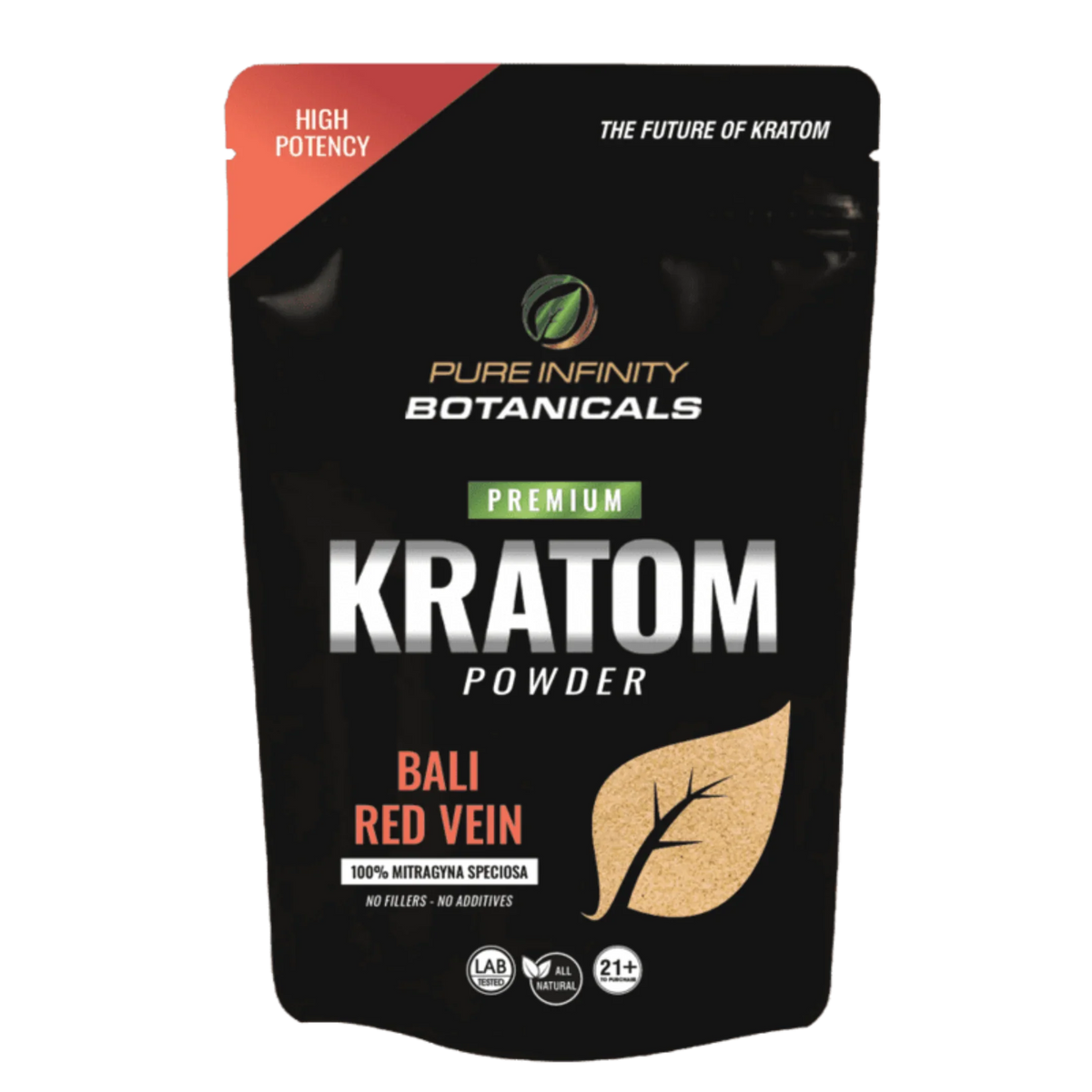
Ready to upgrade your sourcing standards and shop with confidence. Explore lab tested botanical options and education from Pure Infinity Botanicals. If you have questions about product types, COAs, or how to choose the right format for your routine, contact us through our website contact page and our team will help you make a clear informed choice.
Frequently asked questions
What is the best kratom powder form for beginners
Plain leaf powder or capsules are usually the simplest starting point because they are single ingredient products. Avoid extracts at first because potency can vary and it is easier to overdo it. Choose a product with a recent batch certificate of analysis and clear labeling.
How do I tell if a kratom strain name is real or just marketing
Strain names are not standardized across the global supply chain, so they often function as a style label. The more reliable proof is a batch number and third party lab results that confirm identity and screen for contaminants. Track your response by batch rather than by name alone.
Should I buy kratom powder or capsules
Buy powder if you want flexibility and better value and you are willing to measure carefully. Buy capsules if you want convenience and consistent portioning. Either way, the product should be lab tested and clearly labeled.
Can I mix kratom powder into a protein shake like botanica health protein powder
You can mix powders, but it can make it harder to track what is causing an effect. If you are new, test kratom separately for a period of time. If you combine later, keep the rest of the shake consistent and avoid adding other active botanicals at the same time.
Why do some kratom powders feel stronger than others
Batch variability, storage conditions, and grind consistency can all change the experience. Some products may also be enhanced or blended without clear disclosure, which is a red flag. Choose brands that provide batch specific COAs and avoid vague potency claims.
When is the best time to take kratom powder
Timing depends on your goal such as daytime energy or evening relaxation. Many people prefer to avoid late day use if it affects sleep. Keep timing consistent for several days so you can evaluate it accurately.
Can I take kratom with kava or blue lotus
Combining botanicals can increase unpredictability, especially for sedation or dizziness. If you want to explore kava powder for sale or blue lotus products, trial them separately first. If you ever combine, use conservative amounts and avoid alcohol or other sedatives.
How do I verify a kratom product is lab tested
Look for a batch number on the package and a matching COA that lists test date, lab name, and results for contaminants. A QR code is helpful but only if it leads to a real report. If the seller cannot provide it quickly, treat that as a deal breaker.
What are the biggest red flags when I buy botanical powders online
Major red flags include proprietary blends, no batch number, no lab results, and extreme claims about curing or treating disease. Also be cautious of unusually low prices that do not match market reality. Choose sellers that show sourcing practices and quality controls clearly.
Is kratom legal where I live in the United States
Legality varies by state and sometimes by city or county. Check your local rules before ordering because policies can change. Reputable brands will usually publish a shipping policy that reflects restricted locations.


