

Kratom chewable tablets are moving from niche to mainstream because buyers want portability, consistent serving sizes, and less mess than powder. In the wider supplement market, consumers are also demanding higher transparency. A large share of US adults report using dietary supplements, which keeps pressure on brands to prove quality and safety with testing and clear labels. In a market where low quality products still circulate, chewables can either be the most convenient option or the easiest place for shortcuts to hide.
This guide breaks down what is really inside kratom chewable tablets, the most common formats, how to read labels like a pro, and what to verify before you buy. You will also learn what is changing in 2026, the red flags that signal weak manufacturing, and a practical checklist to choose cleaner, more reliable botanical chewables.
What kratom chewable tablets are and why buyers are choosing them?
Kratom chewable tablets are compressed chewable servings that deliver kratom leaf powder, kratom extract, or a blend, along with binders, flavor systems, and sweeteners to make the experience more pleasant. The biggest buyer drivers are convenience and consistency. Tablets can be carried discreetly, used without mixing, and often come in defined “per tablet” serving sizes.
Why chewables are trending in 2026?
Chewables across the supplement category have grown because consumers want better adherence and easier routines. Supplement use remains widespread in the US. Survey data has repeatedly shown that a majority of adults use supplements, reinforcing why delivery formats are evolving toward convenience. For context, NHANES analyses have found that more than half of US adults report using dietary supplements in recent years (CDC NHANES, 2017 to 2018). That trend influences kratom format innovation even though kratom is regulated differently than conventional dietary supplements.
In 2026, buyer expectations are higher. People want lab results, manufacturing transparency, and simpler ingredient panels. Brands that cannot show contaminant testing or that rely on heavy masking flavors are getting called out more often in reviews and social communities.
Ingredients explained: what should be inside a clean kratom chewable tablet
Most chewables contain three ingredient categories: the kratom component, the chewable base, and the flavor system. The difference between a premium product and a low grade one is not only “how strong it feels.” It is the quality of the botanical input, how the chewable base is built, and whether manufacturing controls contamination risks.
The kratom component: leaf powder vs extract
A tablet can be built from straight leaf powder, a standardized extract, or a blend. Leaf powder chewables usually have a larger tablet size and a more plant forward taste. Extract based products can be smaller and more potent per tablet, but they require more trust in the supplier because extraction and standardization vary widely.
If the label uses terms like natural chewable extract or kratom extract chewable tablets without specifying the extract type, alkaloid standardization, and per serving amounts, you are buying blind. A quality label should state whether the extract is standardized and what the target compounds are.
Common chewable base ingredients and what they do
These ingredients are not automatically bad, but they should be used responsibly. Overloading tablets with sweeteners and flavors can be a sign the brand is trying to hide harsh or inconsistent raw material.
Flavor systems and sweeteners: where shortcuts show up
Kratom is naturally bitter. Chewables commonly use natural flavors, citric acid, and sweeteners to improve palatability. The concern is when products lean heavily on artificial flavors and aggressive sweeteners while providing little transparency on botanical inputs. If you see a long list of masking ingredients with vague kratom labeling, treat it as a quality red flag.
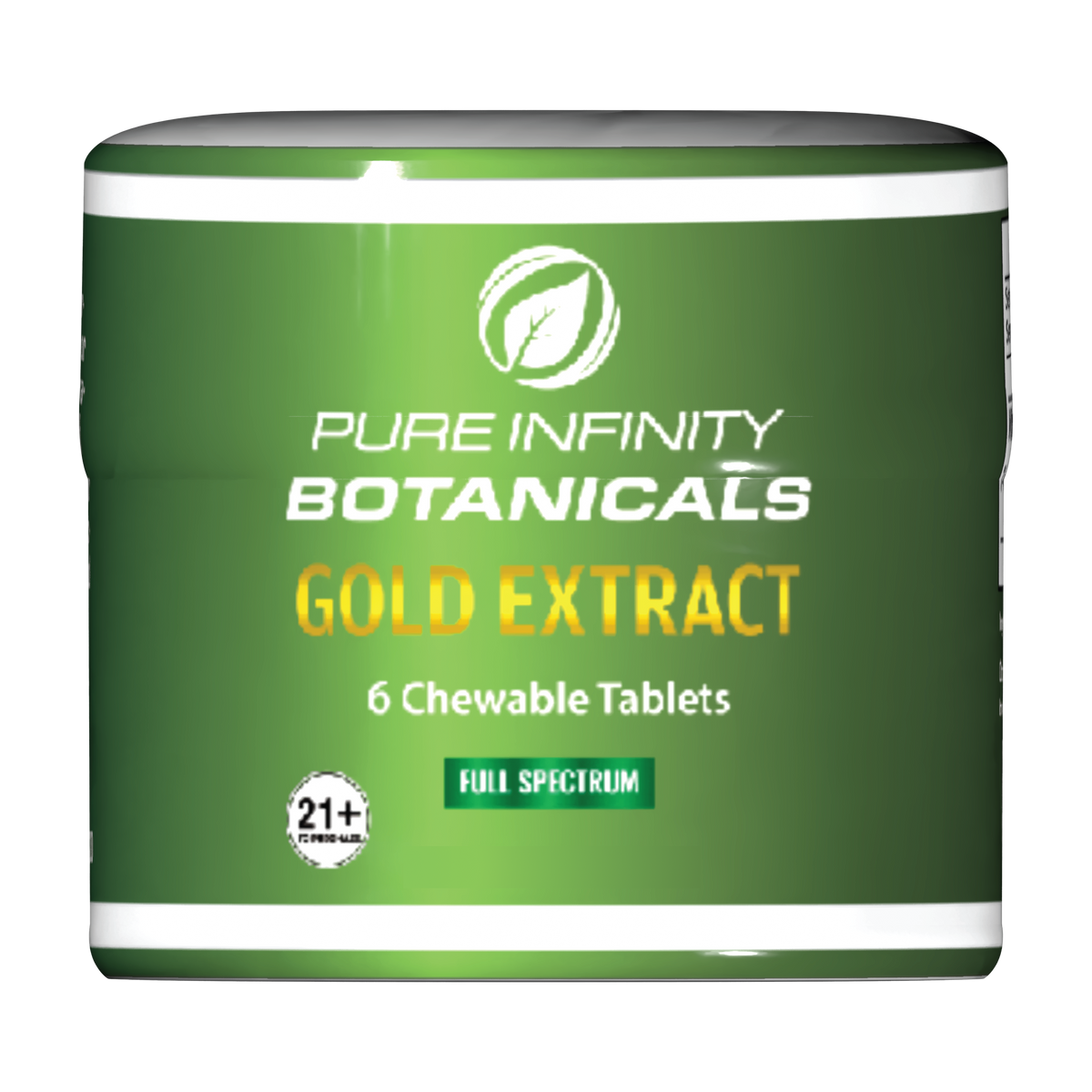
Formats and potency: understanding leaf based chewables vs extract chewables
Buyers often compare kratom chewables by “how many tablets per bottle” or “how strong it is.” That is not enough. The real comparison is the botanical input, the extract ratio or standardization, and the testing behind it. Two products can feel very different even with similar serving claims because alkaloid profiles vary by source and processing.
Leaf powder chewables
Leaf powder chewables tend to be more straightforward. They often require more material per serving, which means bigger tablets or more tablets per serving. They can be a better fit for users who prefer a less concentrated product and who value simpler processing.
Botanical chewables with extract blends
Some brands use a blend of leaf and extract to balance tablet size and intensity. This can be a smart formulation if it is disclosed clearly and tested for alkaloid content. When labels are vague, blends can become a way to inflate perceived strength without consistent outcomes.
Pure extract chewables
Extract focused chewables can deliver a more compact experience. The risk is higher variability and a bigger need for transparency. You should look for clear extract specifications, consistent batch testing, and contaminant screening. Also look for realistic usage guidance rather than aggressive positioning.
Quality and safety: lab testing, contaminants, and label transparency that matters
Kratom buyers should think like quality auditors. A chewable format does not reduce quality risks. In some ways, it increases them because chewables can hide poor raw material behind flavors. The safest approach is verifying testing and manufacturing practices.
What to verify on a serious COA?
A credible Certificate of Analysis should be batch specific and recent. It should include identity and potency markers plus contaminant screening. For kratom, buyers typically want alkaloid results alongside safety panels.
Independent research has repeatedly found quality issues in parts of the kratom supply chain. For example, a broad analytical study of commercial kratom products reported contamination concerns in some samples and highlighted the need for stronger quality controls (Lydecker et al., 2016). The practical takeaway is simple. If a brand refuses to provide a batch COA, you should assume you are taking on avoidable risk.
Why manufacturing standards matter more in chewables?
Tablets are manufactured products. That means the facility and process matter. Look for cGMP aligned manufacturing and documented quality systems. In the wider supplement industry, quality and label accuracy have been long running issues, and regulators have taken action against companies for mislabeling and adulteration. While kratom sits in a complicated regulatory space, the best practice remains the same: strong internal standards and third party verification.
Comparison table: how to evaluate kratom chewable tablets fast
Use the table below as a quick decision tool when comparing botanical chewables, kratom chewables, and kratom extract chewable tablets. It is designed for real shopping behavior, where you are scanning listings and trying to separate transparent brands from noisy marketing.
|
What to compare |
What “good” looks like |
Red flags |
Buyer action |
|---|---|---|---|
|
Kratom disclosure |
Leaf amount and extract amount clearly listed per serving |
Proprietary blends and vague “enhanced” language |
Choose brands with exact amounts and clear serving guidance |
|
Extract details |
Standardized alkaloid content and batch consistency |
Only ratios or “full spectrum” with no numbers |
Ask for COA and standardization statement |
|
COA availability |
Batch specific COA with potency and contaminant panels |
No COA or generic lab sheet not tied to a batch |
Verify batch number matches COA before buying |
|
Sweeteners and flavors |
Short ingredient list and balanced flavor system |
Overly complex masking system and heavy artificial profile |
If taste is extreme, question the botanical quality |
|
Manufacturing signals |
cGMP positioning and quality process transparency |
No facility info and no quality commitments |
Buy from brands that publish standards and testing practices |
What is changing in 2026: regulations, standards, and buyer expectations?
The kratom market in 2026 is shaped by three forces: consumer demand for transparency, increased scrutiny around safety, and more structured quality signaling from reputable brands. The American Kratom Association has promoted Good Manufacturing Practices guidance and support for the Kratom Consumer Protection Act in multiple states, which has pushed conversations toward labeling rules and contaminant limits rather than a free for all market (American Kratom Association, ongoing updates through 2025).
Trend: more QR based COA access
Buyers increasingly expect a QR code that pulls up a batch COA instantly. This is now a competitive baseline in many botanical categories. Brands that still require email requests for labs are losing trust because that friction looks like hiding.
Trend: fewer “proprietary blend” labels
Well informed consumers are rejecting proprietary blends because they block informed decisions. In 2026, the more credible move is fully disclosed formulas with clear per serving amounts. If a brand refuses to disclose amounts, it is signaling that marketing matters more than user clarity.
Trend: taste innovation without heavy additives
Chewable technology has improved. Better tablet engineering and flavor balancing can reduce bitterness without turning the ingredient panel into a candy label. Look for products that improve taste with smart formulation rather than excessive sweeteners.
Conclusion
Kratom chewables can be an excellent format when they are made with transparent formulas and serious quality controls. They can also be a shortcut for low quality sellers to hide weak raw material behind sweeteners and hype. In 2026, the winning move is simple: treat every purchase like a quality decision, not a flavor decision.
If you want kratom chewable tablets that prioritize lab tested purity, ethical sourcing, and clear labeling, explore the standards first and the flavors second. That is how you protect your routine and your wallet.
Pure Infinity Botanicals is committed to transparent testing, clean formulations, and trust driven education for adults seeking balance, relaxation, and reliable botanical wellness choices.
Contact us and request the latest batch lab results, ingredient details, or product guidance from our team.
Frequently asked questions
What are kratom chewable tablets made of?
Kratom chewable tablets typically contain kratom leaf powder or kratom extract plus binders, texture agents, and flavors. A higher quality product will also provide batch specific lab testing and clear disclosure of kratom amounts per serving. Always check the full ingredient list for sweeteners you may not tolerate.
Are kratom extract chewable tablets stronger than leaf chewables?
They can be, but “extract” does not automatically mean stronger or better. Strength depends on how much extract is used and whether it is standardized. The most reliable way to compare is to review the batch COA and the exact amount of extract per serving.
How do I read a COA for kratom chewables?
Confirm it is batch specific and matches the batch number on your bottle. Look for potency markers and contaminant panels such as heavy metals and microbiology. If the COA is generic, outdated, or missing key safety tests, choose a different brand.
What does “natural chewable extract” actually mean on a label?
It is a marketing phrase unless it is tied to specific extract information such as standardization targets and per serving amounts. If the label does not state what is standardized and how much is included, you cannot compare products fairly. Ask the brand for clarification and lab documentation.
Do botanical chewables work faster than capsules?
Chewables may feel faster for some users because they begin breaking down in the mouth and can be easier to take consistently. However, onset depends on the formula, your metabolism, food timing, and serving size. Consistent use patterns matter more than format hype.
Can I take kratom chewables every day?
Daily use can increase tolerance and dependence risk for some individuals. Many experienced users build in breaks and track serving patterns to reduce tolerance drift. If you notice needing more to get the same effect, it is a sign to reassess frequency and goals.
What sweeteners are common in kratom chewables and why does it matter?
Sugar alcohols and other sweeteners are common because kratom is bitter. Some people experience GI discomfort from certain sugar alcohols, especially at higher amounts. If you are sensitive, choose simpler formulas and start with a small serving.
What should I avoid when buying kratom chewables online?
Avoid sellers with no batch COAs, vague proprietary blends, and no clear manufacturing standards. Be cautious of extreme claims, unrealistic strength promises, and listings that do not show a complete Supplement Facts style panel. Transparency is the fastest filter for quality.
How should I store kratom chewable tablets?
Store them sealed in a cool, dry place because humidity can soften tablets and degrade texture. Keep them away from heat and direct sunlight. If tablets change texture or smell significantly, check the lot details and contact the brand.
Are kratom chewables legal where I live?
Legality varies by country, state, and local jurisdiction, and it can change. Check current local rules before ordering, especially when traveling. Reputable brands often provide a shipping restrictions page, but you should still verify independently.


