

Botanical extract powder is everywhere right now. It is in calm blends. It is in focus stacks. It is in wellness shots and capsules. The problem is that the label often looks cleaner than the supply chain. In recent testing of herbal supplements a meaningful share of products showed quality issues such as incorrect ingredient identity or contamination risks which is why buyers are getting more careful and more demanding (World Health Organization, 2019; U.S. Food and Drug Administration, 2023).
This guide breaks down what actually matters when you buy botanical powders in 2026. You will learn how to judge identity and potency. You will learn how to read a Certificate of Analysis. You will learn how extraction method changes effects. You will learn what to check for kratom and kava specifically. You will leave with a practical checklist you can use today.
Why quality matters more in 2026?
The botanical market has matured fast. Brands now compete on stories like ethical sourcing and small batch craft. At the same time regulators and marketplaces have tightened rules. Amazon and major payment providers have also increased scrutiny for higher risk botanicals which has pushed many sellers into gray channels where documentation is weaker.
Quality matters because powders are concentrated. A small serving can represent a large amount of raw plant material. That concentration is also why contamination and adulteration risks matter more than with simple teas. In one of the most cited data points on this topic the World Health Organization estimated that a large portion of medicines in some regions can be substandard or falsified which is a reminder that supply chain integrity is not optional (World Health Organization, 2019).
Start with identity and potency
If you only check one thing check identity. A powder can be labeled as a specific plant and still be a different species. It can also be diluted with cheaper plant material or inert fillers. Identity verification is normally done through methods such as HPTLC or DNA based approaches depending on the plant and processing.
Potency matters because extracts are sold based on strength claims such as 10 to 1 or a percent of a marker compound. The highest quality brands define potency using validated assays and list the method on the lab report. When you see vague terms like premium grade without a standardization target that is not enough in 2026.
Extraction method changes everything: effects, safety, and taste
Extraction is where most of the performance differences come from. Two powders can come from the same plant and still feel very different. Solvent choice and temperature can change the profile of compounds. That impacts flavor. It impacts onset. It impacts how the powder mixes. It also impacts residue risk.
In 2026 buyers are increasingly asking for solvent transparency and for residual solvent testing even when the brand says food grade ethanol. That is a good trend. The best brands disclose extraction method and provide lab panels that match the method used.
Common extraction approaches and what they usually mean
|
Extraction approach |
Typical strengths |
What to verify on COA |
|---|---|---|
|
Water extraction |
Often cleaner taste. Good for more polar compounds. Usually lower residue risk. |
Microbiology. Heavy metals. Identity. Marker compounds if relevant. |
|
Ethanol extraction |
Often broader spectrum. Can pull more aromatics and alkaloids depending on plant. |
Residual solvents. Marker compounds. Pesticides. Identity. |
|
CO2 extraction |
Often strong aroma retention. Low solvent residue concerns when done well. |
Terpene or volatile profile if relevant. Heavy metals. Microbiology. |
|
Spray dried extracts |
Better flow and mixability. More consistent dosing for drink mixes. |
Carrier disclosure. Particle size. Active content after drying. |
Watch for hidden carriers
Many powders include carriers like maltodextrin acacia or gum to improve flow or stability. Carriers are not automatically bad. Hidden carriers are a trust problem. If a product claims pure extract but the COA shows low actives relative to the dose you may be paying for filler.


How to read a Certificate of Analysis like a buyer not a beginner?
A Certificate of Analysis is only useful if it is complete. Many brands post partial COAs or old reports. In 2026 the bar is rising. Expect lot specific COAs. Expect a date. Expect the lab name and accreditation information. If the COA cannot be matched to the lot number on your bag that is a red flag.
Also understand this. A COA is not a guarantee of safety. It is a snapshot of a sample. It must be paired with good manufacturing practices and a traceable supply chain. The U.S. FDA continues to cite deficiencies in dietary supplement manufacturing in warning letters and inspections which is one reason brand level GMP discipline matters (U.S. Food and Drug Administration, 2023).
What if the brand only provides in house testing?
In house testing can be helpful for process control but it should not replace third party verification. If you still want to try the product ask for the third party COA for the same lot. If they cannot provide it choose another supplier.
Safety screens that matter: contaminants and compliance
Safety is not just about what is in the plant. It is about what got into the plant and what happened after harvest. The most common risk categories for botanical powders are heavy metals pesticides microbes and adulterants. For example heavy metal exposure remains a well documented public health issue and the CDC has repeatedly highlighted lead as a harm to multiple body systems which is why responsible brands test and publish results (Centers for Disease Control and Prevention, 2024).
Compliance is also part of safety. Some botanicals face restrictions depending on country state and platform. In 2026 this is especially relevant for kratom and for kava claims. A high integrity brand avoids disease claims. They also educate on responsible use and age gating.
Category specific guidance: kratom, kava, and blue lotus powders
Different botanicals require different buying criteria. A general checklist is good. A category checklist is better. Below is what experienced buyers focus on for kratom kava and blue lotus. This section also connects to common search intent terms like powder solutions kratomand natural energy powder.
Kratom powder solutions: what to verify first
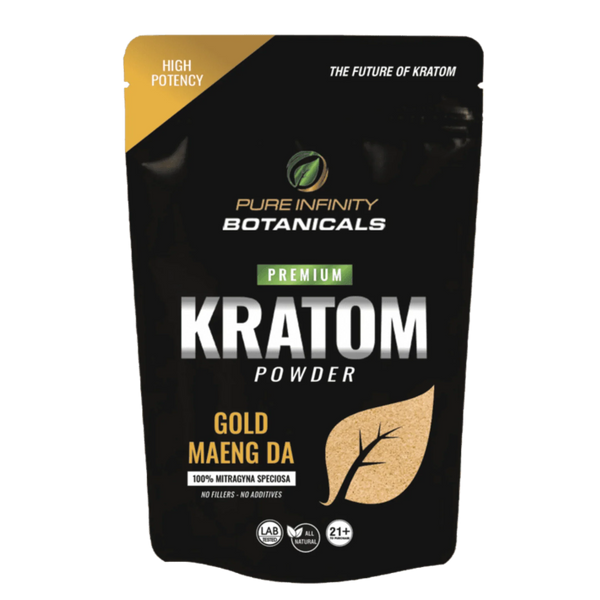
Kratom is commonly purchased for mood, focus, or relief oriented routines. Quality issues usually show up as inconsistent effects or harsh side effects. The most responsible approach is to prioritize identity, alkaloid profile transparency, and contamination testing. The U.S. FDA has issued public health warnings and continued oversight actions related to kratom products which makes documentation and responsible labeling a must (U.S. Food and Drug Administration, 2024).
Kava extract powders: noble variety and chemotype transparency
Kava quality is heavily influenced by cultivar and chemotype. Buyers in 2026 increasingly ask for noble kava sourcing and avoidance of lower quality material that can increase side effect risk. The science base for kava is more developed than many people think. A well known review by the Cochrane Collaboration concluded kava extract showed effectiveness versus placebo for anxiety in short term studies although product quality and standardization varied across trials (Cochrane, 2003).
Blue lotus powders: authenticity and realistic expectations
Blue lotus products are often marketed with exaggerated claims. A disciplined buyer focuses on authenticity, contaminant testing, and honest positioning. Look for clear identification and avoid brands that promise guaranteed euphoric outcomes. The best brands also educate that experience can vary based on preparation method and individual sensitivity.
How to compare brands fast: a practical buying framework?
When you want to buy botanical powders you need a repeatable way to compare options. The fastest framework is documentation first then quality systems then experience. Most consumers do it in the reverse order and that is how they get burned.
Real world scenario: you want a natural energy powder
Say you want a natural energy powder and you are deciding between a cheap stimulant heavy blend and a botanical extract powder that supports steadier energy. If the botanical product shows verified actives and clean contaminant panels it often provides a smoother experience even if the cost per serving is higher. Your best move is to calculate cost per verified active rather than cost per gram of powder.
2026 trends shaping botanical powders: transparency, tech, and tighter standards
Three big shifts are defining 2026. First is the rise of radical transparency. Consumers want QR codes that link to COAs and sourcing maps. Second is improved analytics. More labs now run broader pesticide panels and more sensitive alkaloid testing. Third is a shift toward compliance ready branding because platforms and payment processors have become less tolerant of risky claims.
Another major trend is the push for standardized labeling and quality benchmarks. For kratom in particular industry groups have promoted manufacturing standards and age gating models to reduce harm and improve legitimacy. At the same time states continue to vary in how they regulate kratom which forces brands to build flexible compliance programs.
Conclusion
Buying botanical extract powder in 2026 is about proof not hype. When you prioritize lab testing and transparent sourcing you protect your body and your budget. You also help push the industry away from low quality competitors who hide behind glossy labels.
If you want botanical powders that are lab tested clearly labeled and built for real life routines like energy relaxation and balance explore Pure Infinity Botanicals. For product questions sourcing details or help choosing the right powder for your goals contact us through our website contact page and our support team will guide you.
Frequently asked questions
What is a botanical extract powder?
A botanical extract powder is a concentrated powder made by extracting compounds from a plant and then drying the extract into a stable form. It is usually stronger per gram than raw plant powder. Quality depends on identity verification extraction method and third party testing.
How do I know if a botanical extract powder is pure?
Ask for a current lot specific Certificate of Analysis from an independent lab. Look for identity testing plus contaminant panels and a potency result that matches the label. Also verify whether carriers like maltodextrin are present and disclosed.
Should I buy botanical powders or capsules?
Powders offer flexible dosing and often lower cost per serving. Capsules are more convenient and can reduce taste issues. Choose based on your lifestyle and always prioritize third party testing either way.
What should a COA include for botanical powders?
A strong COA includes the lot number lab name test dates and methods. It should include identity testing potency heavy metals microbiology and pesticides. If solvents were used it should also include residual solvent results.
Are botanical extract powders safe to take daily?
Safety depends on the specific botanical your health status and the product quality. Daily use is more reasonable when the product is well tested and when you follow conservative serving guidance. If you take medications or have a medical condition speak with a qualified clinician first.
What is the best way to buy botanical powders online?
Buy from a brand that posts lot specific COAs and provides clear sourcing and manufacturing information. Avoid sellers that only show marketing claims or generic lab screenshots. Use a payment and shipping method that supports legitimate compliant businesses.
What should I look for in powder solutions kratom products?
Look for alkaloid testing identity confirmation and robust micro and heavy metal testing. Avoid brands that promote extreme dosing or make disease claims. Choose suppliers that practice age gating and publish lot specific COAs.
How can I tell if a natural energy powder is actually effective?
Check whether the label specifies standardized actives and whether the COA confirms them. Compare cost per verified active rather than cost per scoop. Start with a small serving and track energy focus and sleep impact for several days.
When should I avoid botanical extracts altogether?
Avoid most extracts during pregnancy and breastfeeding unless a clinician advises otherwise. Be cautious if you have liver disease or you take sedatives or medications that may interact. Also avoid products with missing COAs or unclear ingredients.
Why do some botanical powders feel different from batch to batch?
Plants vary by harvest season soil and processing which can shift the active profile. Good brands control this with standardization blending and consistent extraction parameters. If a brand cannot show batch level potency testing variability is more likely.


